body{background-attachment: fixed ! important; }

Thursday, February 4, 2016

We Aren't Worthy: Taipei Plays Host to Velo-city Global

Untitled

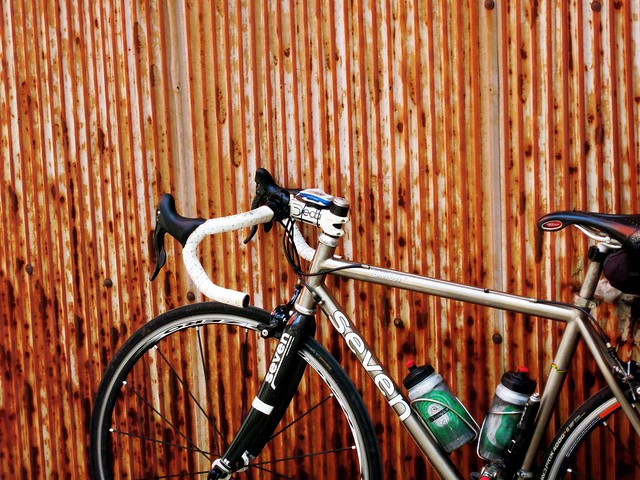
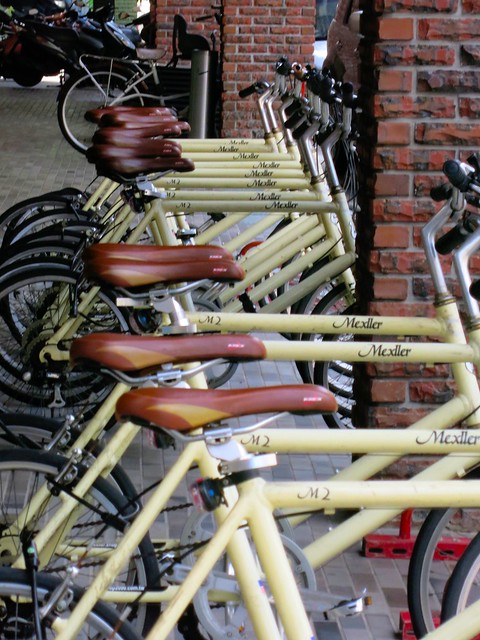
Between Feb 27th and March 1st Taipei will play host to the worldwide Velo-city conference; a conference designed by the European Cyclists' Federation to promote the integration of the bicycle into the modern city infrastructure. 

According to the ECF, the purpose is to:


  • Raise the status of cycling and to promote recognition of the benefits of cycling for both individuals and society as a whole.
  • Encourage consideration of cyclists’ needs in Europe in all aspects of transport planning and management, environment, safety and health, and promote cycle-friendly conditions throughout Europe.
  • Support member groups on matters of national and international importance relating to the aims of the ECF.
  • Undertake research on matters relating to cycling, transportation, environment and safety.
  • Enhance the information and advice available to member groups and thus assist in their activities nationally and internationally.
  • Promote the exchange of information and expertise between member organisations.
  • Provide information and expertise in order to raise the awareness of specific groups: international bodies and institutions, politicians, planners, manufacturers/trade groups, bicycle holiday agents/tourism authorities, environmental and transport groups with regard to cycling and its benefits and needs

Of course, the ECF is no longer contained to just Europe as it has become a global proponent of lobby for progressive bicycle policy. 

Then why choose Taiwan? 

On the one hand, I see this as an incredibly welcome and opportune time to hold Velo-city in Taiwan. There is a continued interest in bicycles on all levels from riders, private enterprise and policymakers. In the face of an unprecedented turnover in government over the past two years in the executive, legislative and municipalities largely in favor of the Democratic Progressive Party (DPP), along with the inception and emergence of a more progressive New Power Party, (NPP) it may not be business as usual in terms of bicycle infrastructure development, which has overwhelmingly favored superfluous recreation over transportation and utility. These projects increase the visibility of cycling but do precious little to reduce the reliance on motorized transportation and merely increase their carbon footprint by spreading slick lanes asphalt in an attempt to shift people from the swimming pools and basketball courts to the bike lanes. Both parties made inroads promoting Taiwan centered policies, especially the NPP, which supports policies promoting sustainability and energy independence.

There has been some positive increase in ridership of the various metropolitan public bicycle programs, but from this rider's perspective, most of the riders appear to be students who would be using mass transportation anyway as opposed to a personal motor vehicle. 

I am less optimistic when I read how this event is being imagined locally: 

The Taipei Times reports: 
Taipei Deputy Mayor Chou Li-fang (周麗芳) said.
The event is to feature eight select bicycle trails, each having a different theme, including hot springs, waterfront parks, culture, historic buildings and art, Chou said. 
She said that Taipei is to join the list of previous host cities, such as London, Copenhagen, Milan, Italy and Vienna, Austria, which would boost the city’s international profile. 
Chou said that Taipei made strenuous efforts to work with the central government and the private sector to secure its 2013 bid to host the event. 
By winning the bid, it justified Taiwan’s status as a “bicycle kingdom,” Taipei’s efforts to promote cycling and its bicycle trails, as well as Taipei’s status as an international city.
We often see Taiwan so hungry for international validation, citizens and leaders are tone deaf to the criticism or suggestions provided by international experts. 

The purpose of this event and the mission of the ECF is not to justify a city's or a nation's status as a success in integrating the bicycle into the city infrastructure or to boost a city's profile for tourism. The purpose is to exchange information, learn and improve upon the status quo. 

Taiwan still faces two major problems that threaten the future development of building a "bicycle kingdom". 

The first is the lack of cycling infrastructure in the cities and areas where people actually live and work. The ability to substitute the car or scooter for the bicycle in a viable manner between home and the office is severely limited by the lack of a comprehensive and connected system of safe bicycle corridors throughout the city, the lack of safe and viable bicycle storage facilities, the lack of support for commuting cyclists in businesses and the lack of space given to the bicycle. 

The second major problem is with the pernicious air pollution that regularly chokes our cities and drives the PM2.5 air pollution index into the danger zone. I have personally lost several cycling days this year due to unhealthy levels of pollution. I didn't have an asthma problem before cycling in Taiwan. The PM2.5 index used in Taiwan has been adjusted to Taiwan's own index, which shifts the entire spectrum of air quality rightward so that levels that would be deemed unhealthy in most countries, will still be deemed healthy or moderate by Taiwan's standards. Tackling the problem of air quality will be paramount to securing a future that is safe for cycling in Taiwan. 

My hope is that the foreign experts will find time to freely roam Taiwan by bicycle and provide our politicians and city planners with harsh critical and constructive feedback on how we can implement solutions. We don't need any more gland handing

Taiwan is not ready to feel it has ascended to the pinnacle of bicycle transportation and political leaders need to admit that we have a long way to go to make the changes needed to stand along side Copenhagen and Vancouver as equals in infrastructure development. But will anybody listen? 


Climbing Taiwan's Northeast: Highway 9 to Route 42-North (9號線--北42--坪雙路)

Untitled

With a little time over the Lunar New Year, we decided to head up to the Milan area for a little R&R. The weather in Taiwan for this winter has been really cold and damp. Some might say it is atypical for Lunar New Year in Taiwan, but actually, it has returned to something that used to be normal. When I first arrived almost twenty years ago, the winter vacations were always freezing and rainy.

For this particular vacation we had snow for the first time in a very long time and the mountain passes were a mess. Our original plan entailed climbing out of Yilan to Taiping Shan. Unfortunately, the roads were rendered too dangerous to ride by the recent snowfall and we were forced to choose an alternate route.

This was a good thing for me as a couple days before I had fallen asleep on the couch and when I awoke in the morning, my entire back was in knots. That never used to happen to me before....

We decided to climb out of Yilan on the Highway 9, which once served as one of the main highways between Taipei and Yilan, and then return on the North 42 to Fulong before hitting the coastal Highway 2.

I was a bit nervous as my back had not recovered and I had been hobbling around like an old man all morning. I figured I would give it a try and hopefully warm myself out of it.

As soon as my ass hit the seat I was gripped with a sense of fear...and the sense of excruciating pain as it felt like needles jammed up my backside and into my spine. I stood and pedalled for a few blocks before easing into the saddle for good.

Untitled

We navigated our way through the mirrored fields of the Komalan plain to the opening ramps of the Highway 9. I could tell it was going to be a long day as my legs failed to entirely show up for the ride. It was just one of those unfortunate days when it feels as though the heart is circulating strawberry jelly and everything is turned to blah.

The opening switchbacks look a lot more formidable than they are. It is a suitable route for even the novice given enough time.

As we pressed up the hill, we passed a rider from Hong Kong who was on his final leg of a round-island trip. He complained that he had followed the government endorsed route, but there were too many sections that were clogged with traffic while a perfectly viable road lay parallel to the route.

Untitled

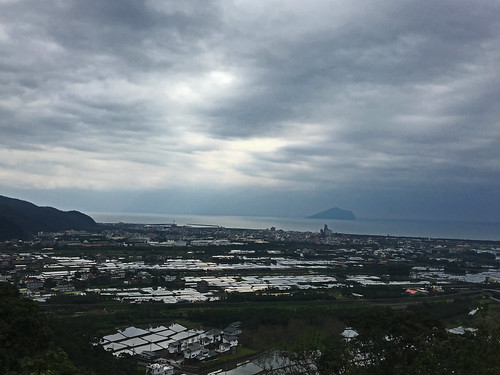
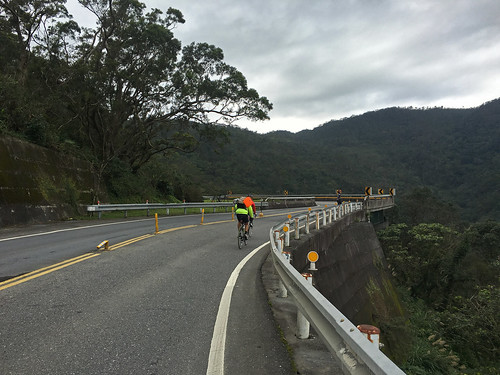
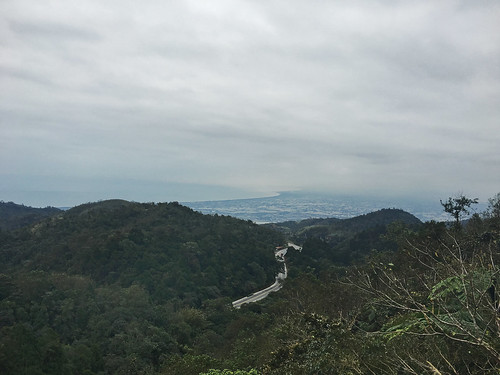
Up and up we climbed. Each turn revealed more spectacle. The Highway 9 is a great route in that it feels very much like eastern Taiwan, while allowing a rider to shortly arrive in Taipei.

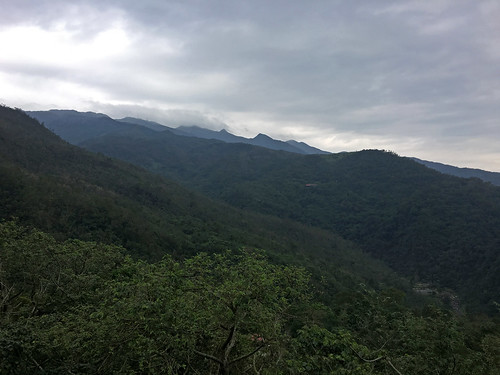
The hills are surrounded by jungle and green. It is every bit of the east coast a rider could hope to encounter.

Untitled

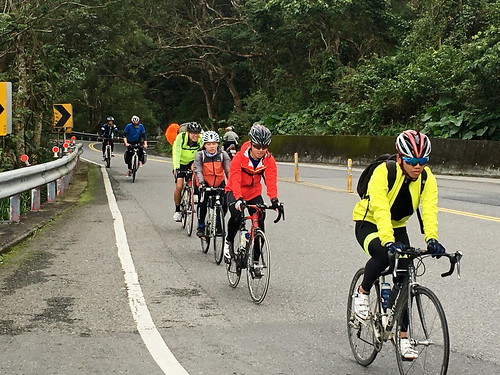
The road was nearly empty, except for the occasional cement truck and a few cyclists. It was quite a pleasant trip.

Untitled

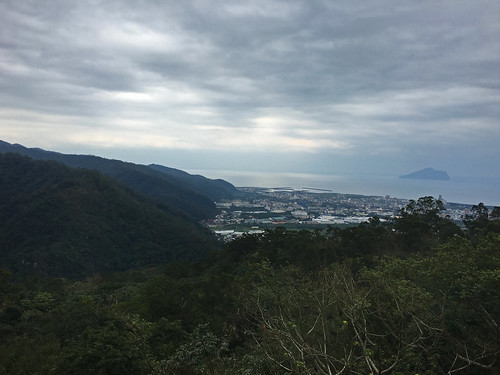
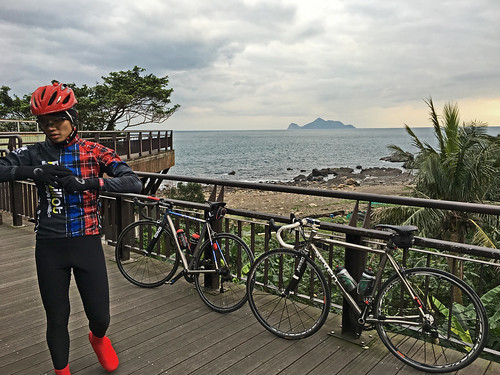
In the distance, Taiwan's only active volcano, Guishandao, was on full display.

Untitled

We traced the curves of the Highway 9 until we reached the old tea farming town of Pinglin.

Pinglin is generally known for its unrolled teas, but now it is becoming a haven for all those asshats on their big racing motorcycles that cocky their way up from Xindian to play F-1 on public roadways.

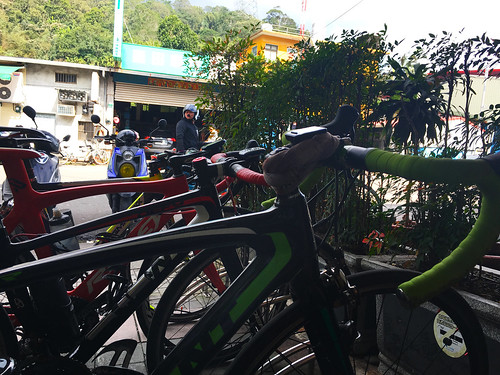
We stopped at a 7-11 for a coffee and some nutrition for the latter half of the journey. I had been anticipating a colder day, but I was actually feeling warm and peeled off the layers.

Untitled

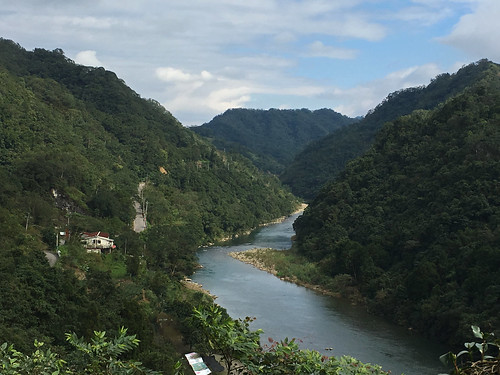
Our escape route would be the Northern Route 42 to Fulong. The road starts behind old Pinglin near the freeway and it quickly took us from the dense jungles of eastern Taiwan, to the rolling farms and deep valleys of the north.

Untitled

This was such a wonderful route. There were no really killer climbs to drain the legs. It was just a series of rolling hills and tight descents.

Untitled

Each corner threatened to spit us into a lost wilderness, but there was always something assuring nearby to remind us that we were not too far from somewhere.

Untitled Untitled

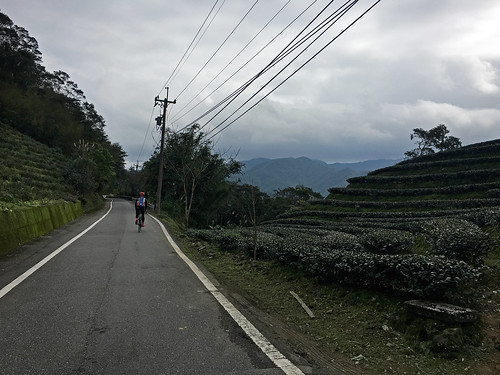
The road skirted along the Wenshan tea farming area with some of the choicest views from the northern hills.

Untitled Untitled Untitled

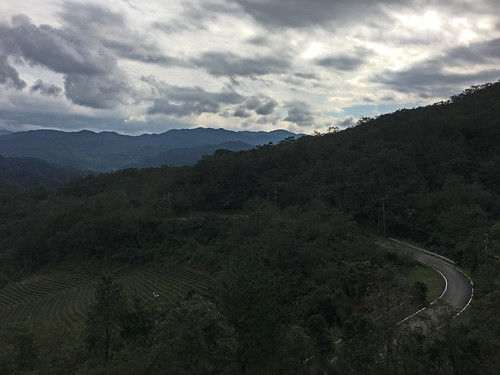
Finally, we reached the descent into Fulong. It was a beautiful10k hairpin drop. I kicked through each bend and gathered speed for the next. Bang Bang Bang!!! What a fantastic way to test your own tracking and cornering. It was like bicycle powered flight.

Untitled Untitled

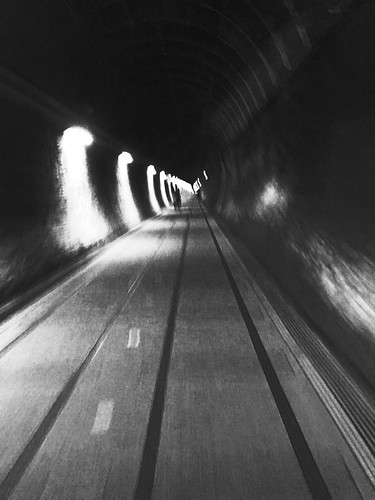
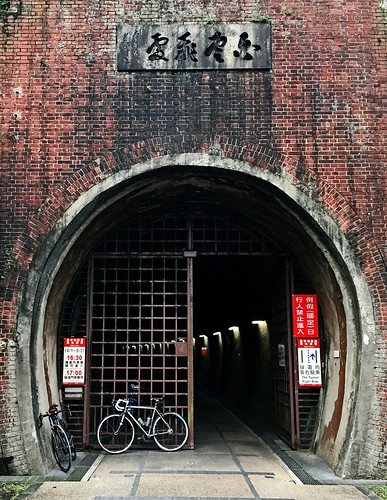
We arrived in the beach community of Fulong and sliced a good chunk of time out of our trip with the Caoling Bike Tunnel--a repurposed train tunnel that allows a rider to simply pass through the mountain as opposed to having to circumvent the Sandiego Peninsula.

Untitled Untitled

After soaking up the views and losing my camera, we headed back to our hostel in Luodong.
I as really feeling tight and had to stop a few times to stretch the legs. I was really holding us back, but I needed to be sure I'd be okay and not experience any knee pain or any of the things that had been bothering me in the past.

No issues... just some fatigue.

It was a great way to wake the legs up for some vacation riding. 

Untitled


Monday, May 18, 2015

Invisible Taichung: Cycling The Shadows of Taiwan's Central City

Untitled
For almost seventeen years I have called the dusty Taichung basin my home. Although I am still a "foreigner", a fact that I am mostly but not entirely comfortable with, I have watched my city's narrative of unfolding gradually transform the city's culture and its built environment with a keen and sentimental eye.

In Taiwan, the center of any city can be found in and around the most popular and prestigious department store. When I first arrived, that title belonged to SOGO. The Taichung SOGO was brand new and marked a defining period of development in Taichung. SOGO represented the city's official separation from its historic center bound by Wuchuan Rd., Minchuan Rd., Taipei First Boy's School and the railroad tracks. It was as if the cultural center had been untethered and set free to drift westward along Taichung Harbor Rd. (now the unnecessarily renamed Taiwan Blvd.) away from the train station-- Taichung's traditional anchor.

I remember when the old downtown still had a pulse as the once towering Lai Lai department store struggled for resonance above the din of cheap knock-offs and other, newer department stores. The movie theatres were still mainly along the crowded, stall-filled streets of Changhua Rd. that once slung the border between rival street gangs, but later merely served as the dimly lit southwestern edge of a barely flickering red light. This busy, electric, wonderland of chaos was my first introduction to my new life in my new city.

Untitled

I decided on a light ride through time and memory along its narrow alleys, lanes to see what had become of my old Taichung.

Untitled

During Qing rule, Taichung was little more that a ramshackle cluster of hovels that hugged the Dadun mound on the Han/Barbarian border, that extended longitudinally along the Han River between sentry points manned by plains aborigine militiamen.

Following the Treaty of Shimonoseki in 1895, when Japan gained sovereignty over Taiwan, Japan initiated plans to transform Taiwan from an inconsistently administered frontier into a Japan's first modern colony after Hokkaido.

As part of Japan's effort to transform the people of Taiwan into loyal subjects while exploiting Taiwan's material wealth, the imperial government instituted a series of programs aimed at bringing an ideology of modernism and rationalism to Taiwanese culture from which the Japanese could exert both economic and cultural control.

As part of this program the remnants of the sloppily walled area of Qing era Dadu, was razed to the ground and replaced with Taiwan's first grid-style city plan complete with wide streets for carriages and automobiles, electric and telegraph lines, civic spaces, drainage, economic areas, public services, and utilities.

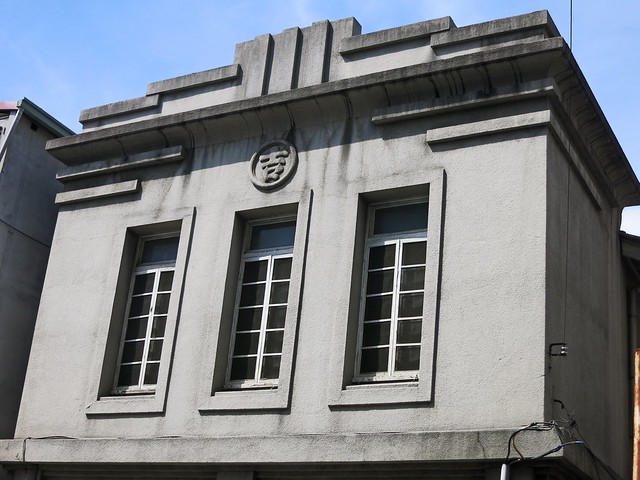
Most of the old Japanese era buildings have been torn down, but a few of the more prominent buildings remain, with their flair for American modernism as expressed through the heavy use of art deco motifs.

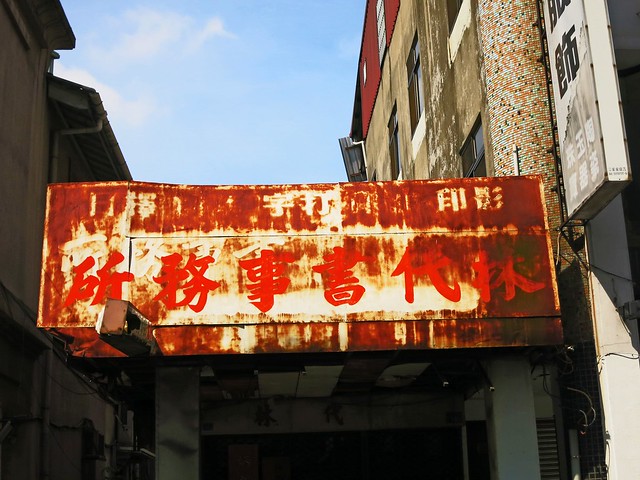
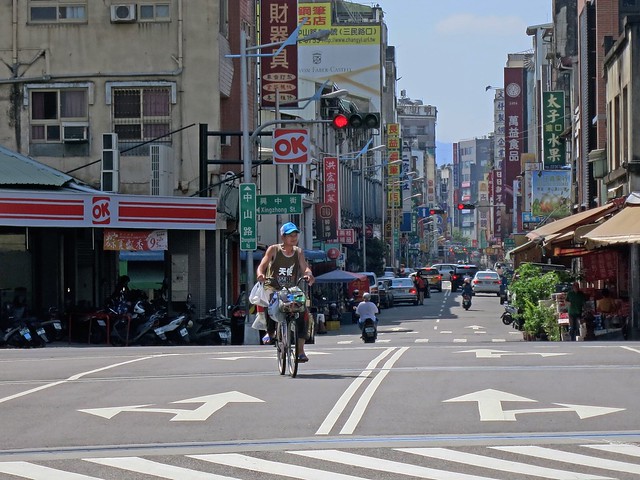
The area along Zhong Shan Rd. and its side streets still reveal the dirty brown veneer of Taichung's earlier life as Japanese Tai Chu.    

Untitled Untitled Untitled Untitled Untitled

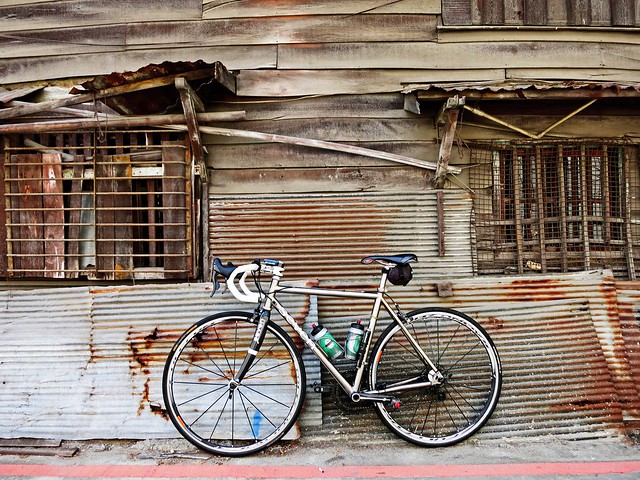
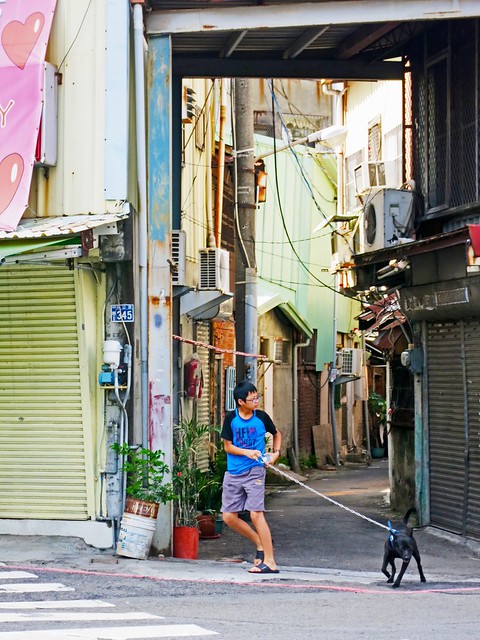
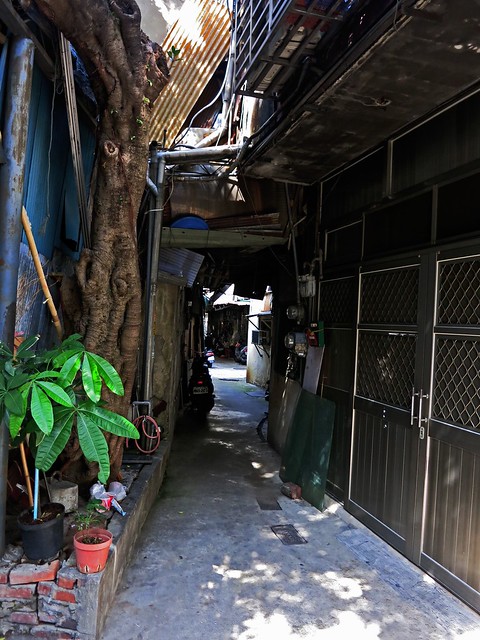
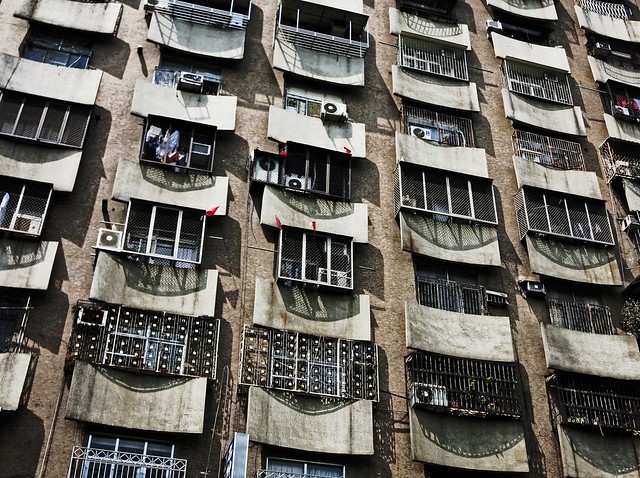
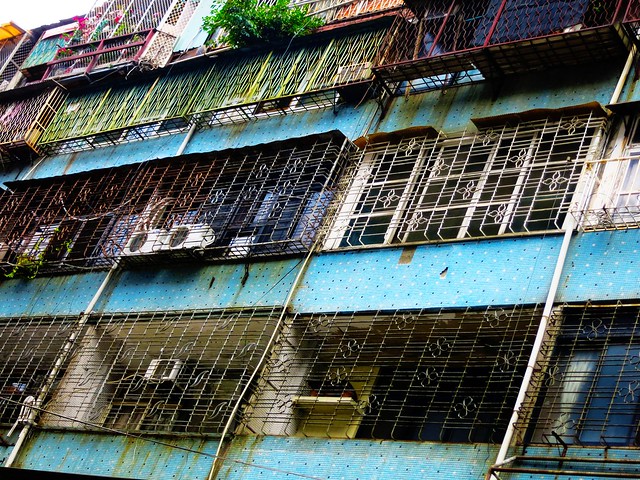
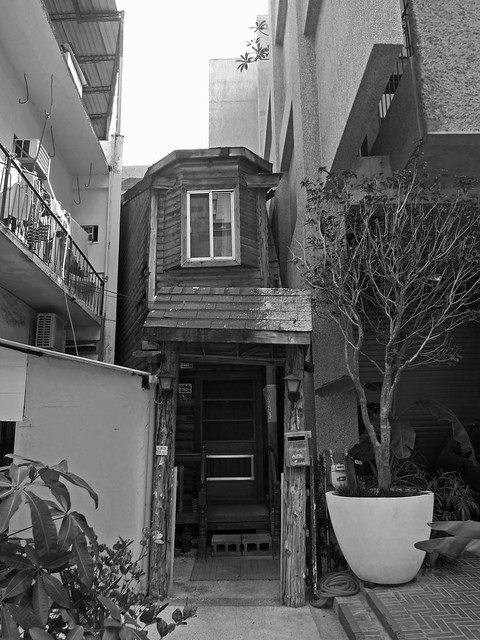
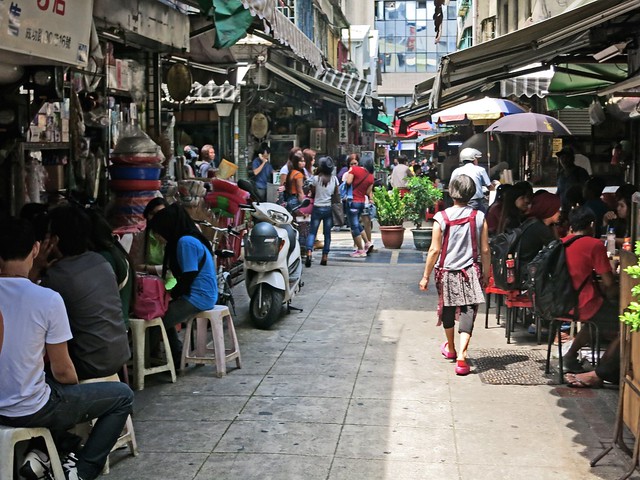
Old Taichung is filled with tiny lanes that snake between a warren of crumbling apartments that are held together with little more than corrugated metal and bailing wire. I am sure each unit is worth a small fortune. Many of these lanes are just big enough for a bike and its rider to pass through with shoulders scraping between screen doors. Each corner is a new surprise.

Untitled Untitled Untitled

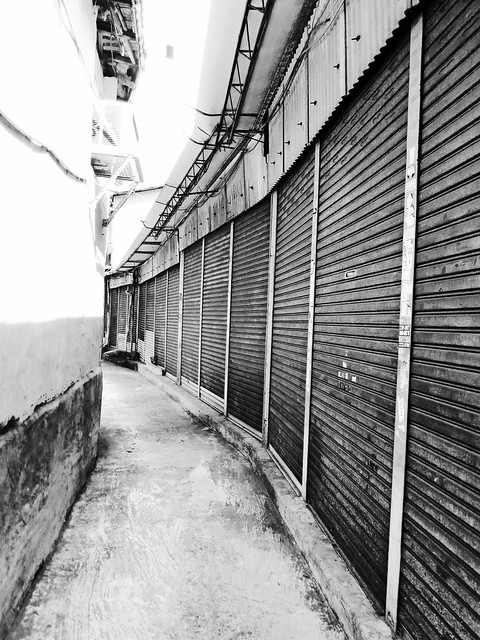
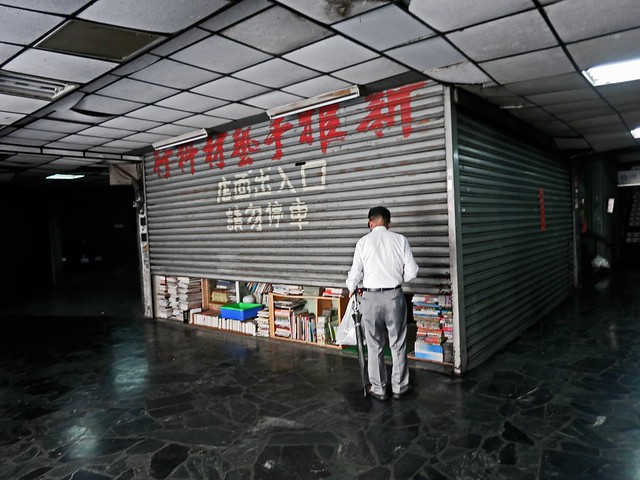
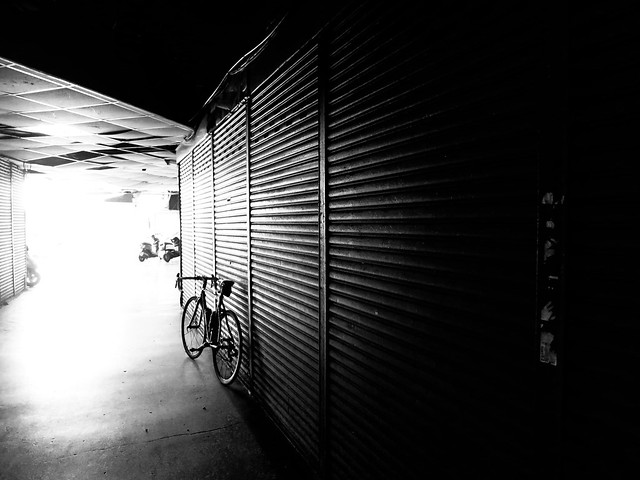
There are several lanes and underground pavilions that once rung with life from each vendor space. The spaces are now left shuttered and rotting with the occasional door cracked open out of little more than habit.

Untitled Untitled Untitled

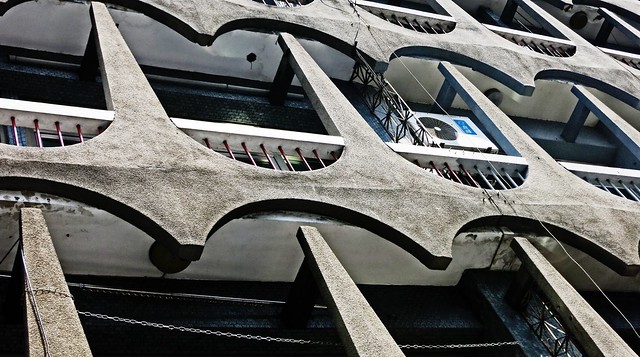
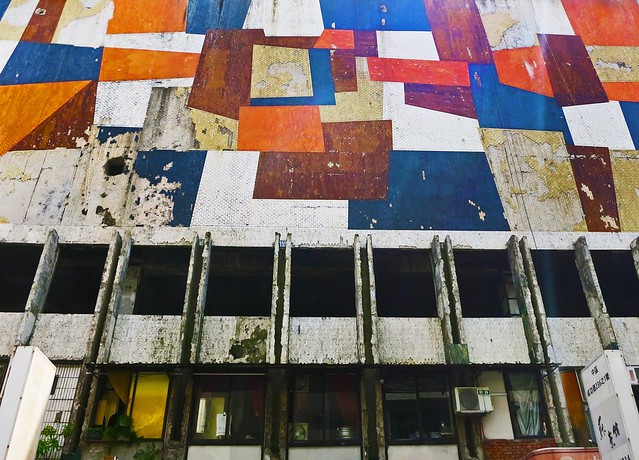
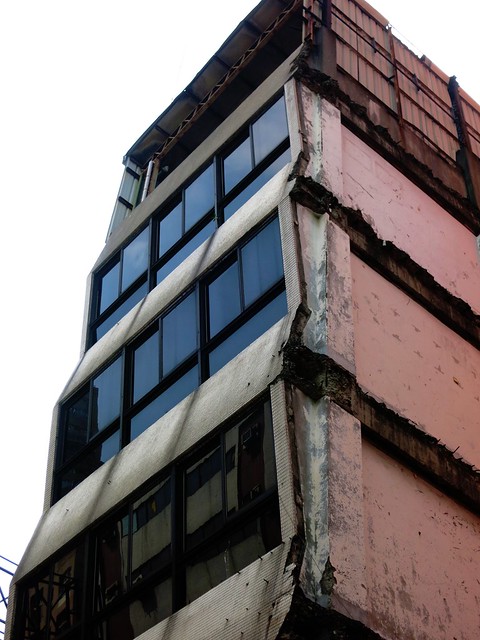
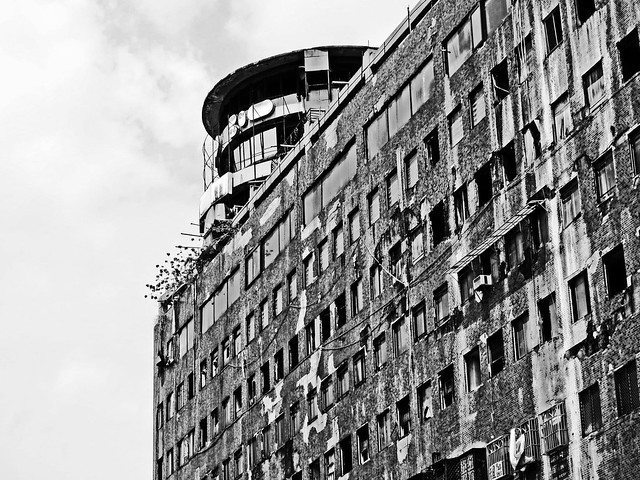
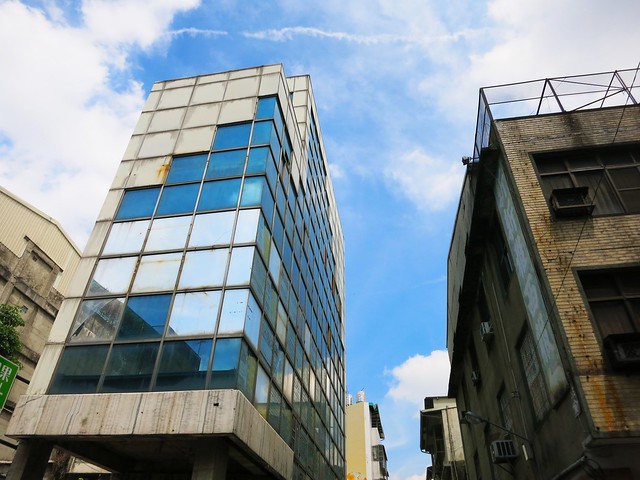
As I rode through the decaying world of chipped concrete, I realized I had never really spent much time looking up.

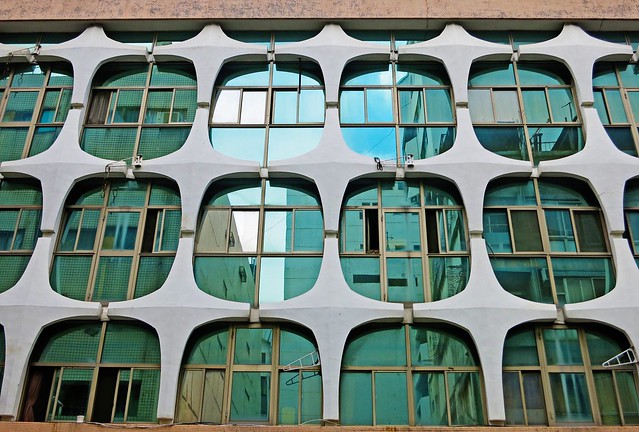
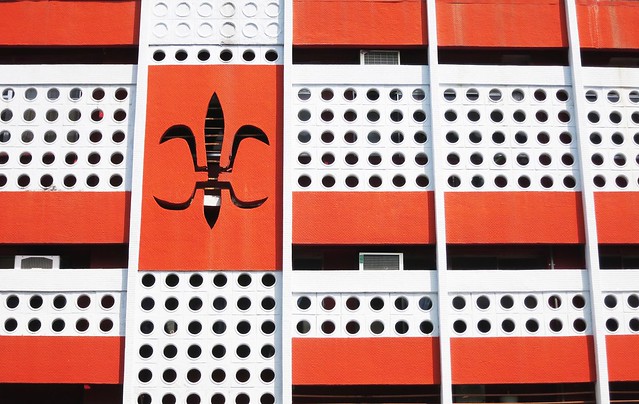
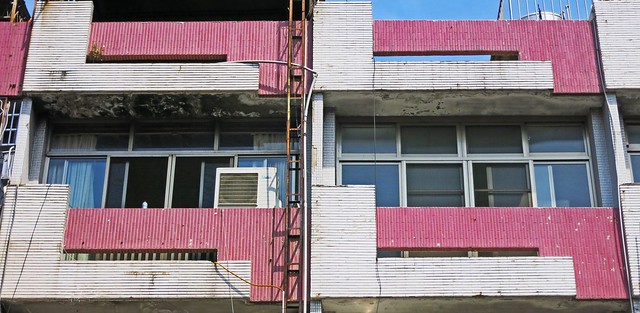
It was up where I found the true glory of the 1960s' when Taiwan was just beginning to embark on its first phase of the export economy.

These were the bold new designs, or very friendly knockoffs of Britalism and its functional modularity. It speaks to the rising cosmopolitanism of Taiwan's growing entrepreneurial elite-- a sentiment that was later checked by a deliberate state-driven turn toward the Chinese Cultural Renaissance Movement.

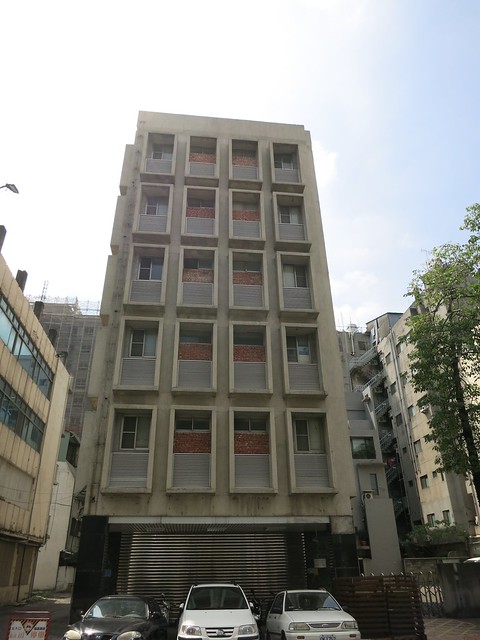
Now, many of the buildings sit vacant as long overdue investment opportunities. Other buildings are clearly in use, though they are often kept as low rent locations for illicit business.

Untitled Untitled Untitled Untitled

It is clear that, in many cases, the concrete box was not simply the end of the conversation, but it certainly was the beginning, as builders sought to pace government demands for demonstrations of the ruling junta's economic necessity.

Untitled Untitled Untitled Untitled Untitled Untitled Untitled

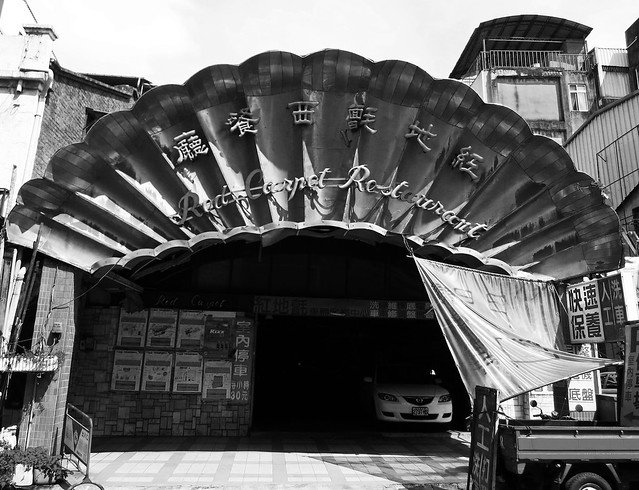
A few structures stand as reminders of the booming 80's, when Taichung really began its sprawl, and the line between the metropole and the township faded into a blanket of cement.

Untitled Untitled Untitled Untitled Untitled

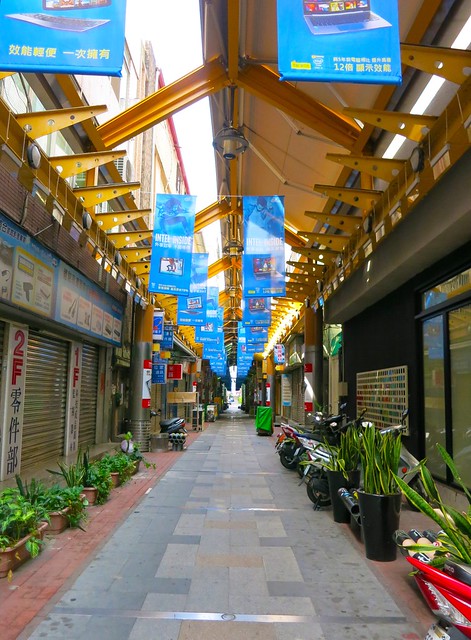
By the late 1990's Taichung's downtown was a hive of activity as chip heads from all over the area converged on Electronics Street to pick up the latest in pirated games and software from the backs of passing trucks. Electronics Street has suffered the same fate as Radio Shack in the digital age. 

Untitled Untitled

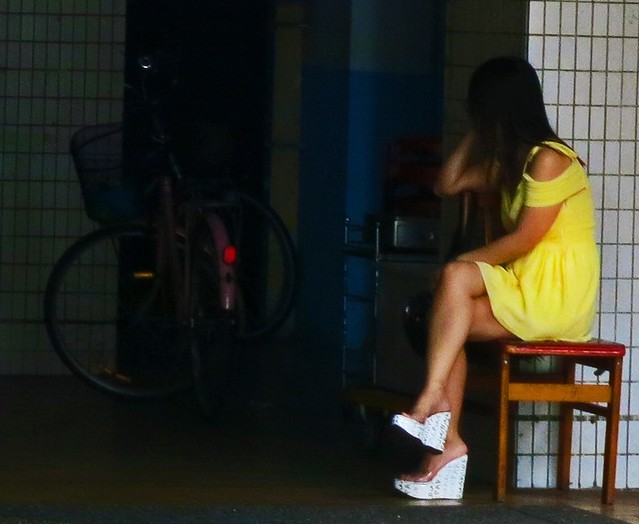
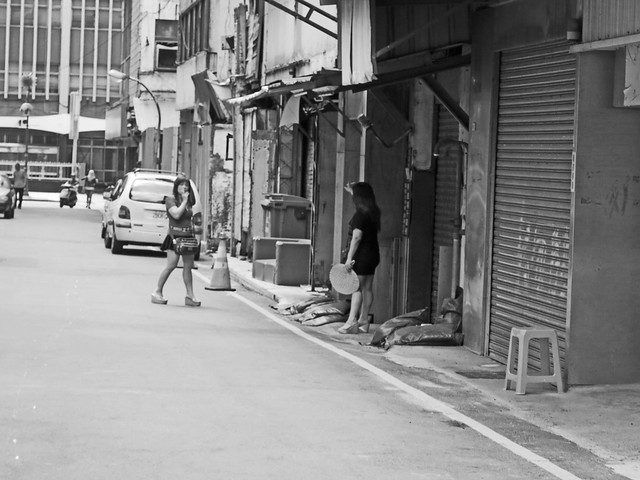
Closer to Taichung Park, there is an older craft that is still being plied on the streets. Although there are numerous other places for sex workers to operate, Taichung Park and its surroundings has been the traditional center. With many of the younger, higher paid sex workers opting for the life inide the insulating shell of legitimacy found in a KTV or massage/skin care parlor, there are still some who work the streets. 

When I first arrived in Taichung, prostitution was still legal in the city and it was the publicly licensed brothels where a long career in prostitution was said to come to an end. 

Now, without legal oversight, the ladies of the night and apparently also the day, who are a bit past their prime, work from the doorways and alleys around private, less controlled establishments. 

Untitled Untitled Untitled

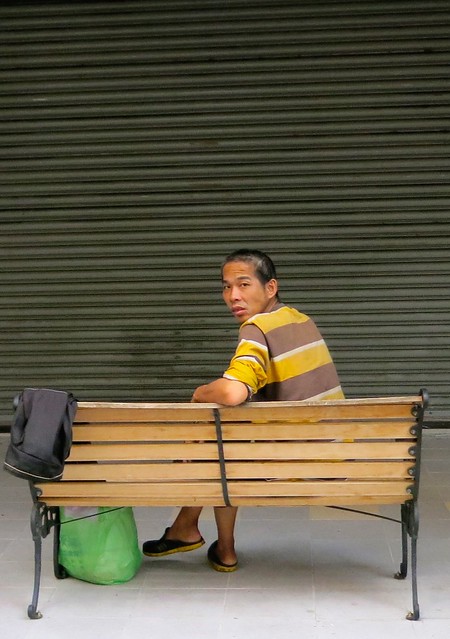
The area is really about the people who live there and make their lives there. This is what I found to be so fascinating. 

There are those who have been in business at a certain location and simply will not go elsewhere, possibly having bought the unit and are tied to it. 

Other people are on their way to or from somewhere else, or heading to the train station. 

Untitled Untitled Untitled Untitled Untitled Untitled Untitled Untitled Untitled Untitled

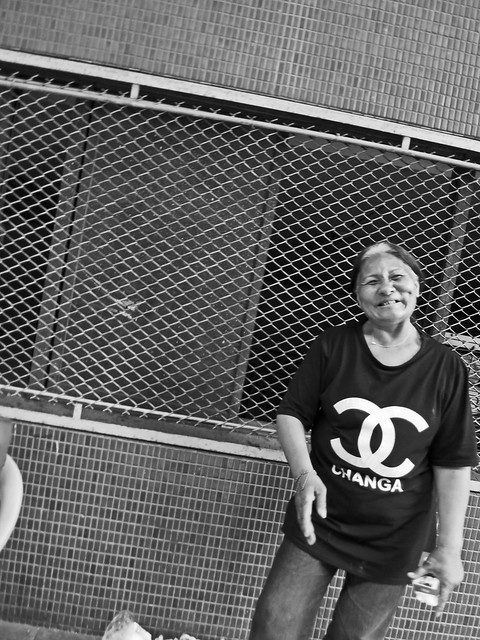
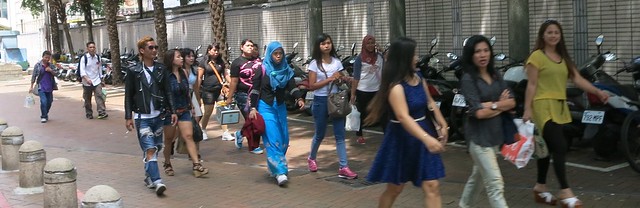
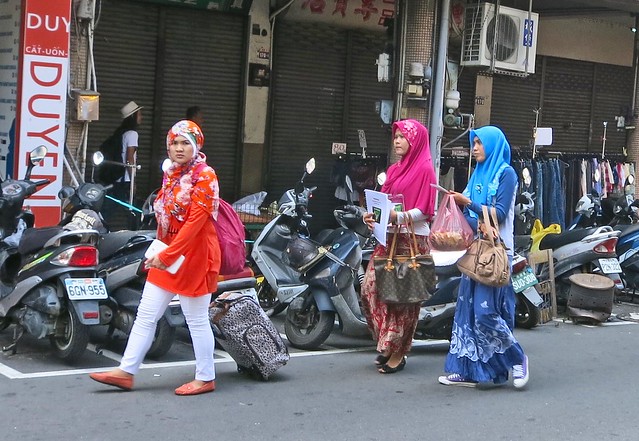
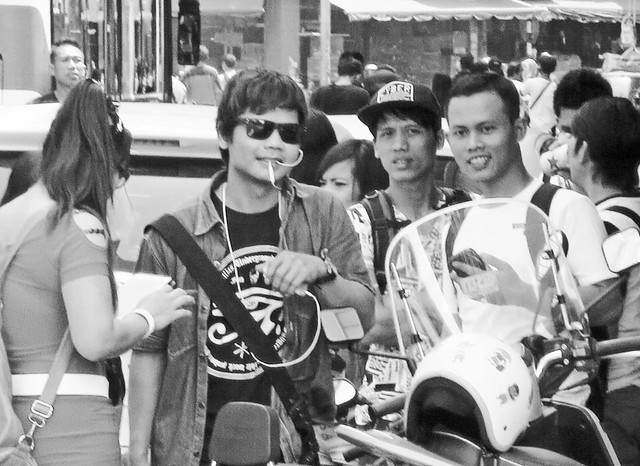
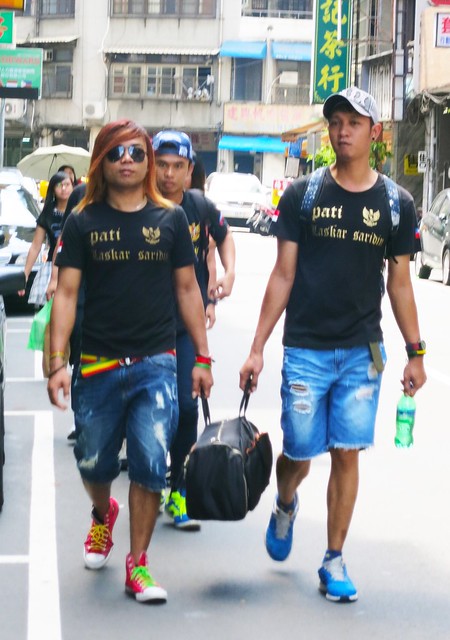
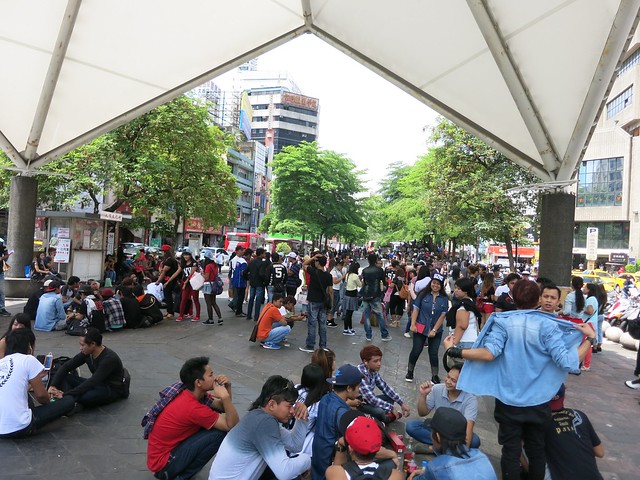
Taichung Park still fills up every weekend as the meeting point between Taichung's many cultures. 

Untitled Untitled

Taiwanese foreign culture is one of the local cultures that is most overlooked by academics and the government, which often wrongly views "foreigners" and "foreign culture" as something that is isolated, contained, liminal and...foreign. 

On the contrary, the culture and cultures that are created by foreigners in Taiwan provide a vibrant, burgeoning cultural landscape that pervades many aspects of our lives. Foreign culture is, in fact, a Taiwanese culture. 

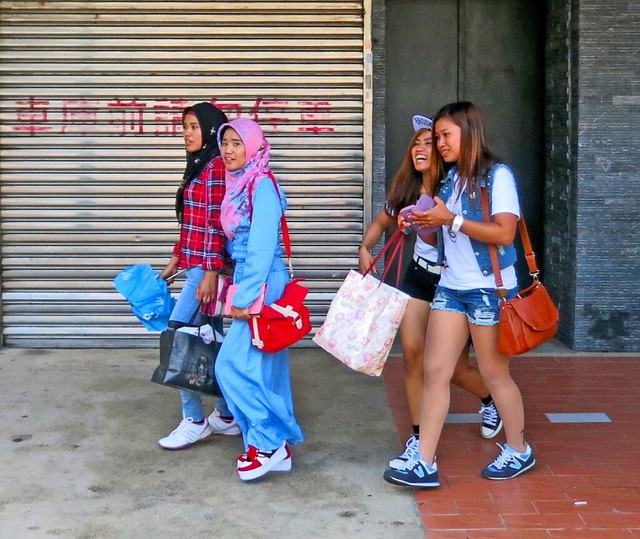
These are the people who have been brought together through a contracted employment program that was devised in the late 80's to bring cheap foreign labor to Taiwan to work in manufacturing, agriculture and health care as a means to pay workers less than minimum wage. 

The foreign workers are recruited from Indonesia, Thailand, Vietnam and the Philippines on three-year visas. They are often housed in factory dormitories, though healthcare providers may live with their employer. 

When Taiwan's labor market first opened to foreign workers there was a noticeable public outcry rooted in racism. There was the fear that infectious diseases and petty crime would skyrocket posing a danger to public health and safety. There was also a vocal opposition to allowing another woman into the home. Women feared their husbands would be easily seduced. 

Public fears have since subsided, but there is still a noticeable tinge of extant racism directed toward foreign workers and other "dark people". 

The real danger has, in most cases, come from the employer, as foreign workers, and foreigners in general, are a vulnerable class of people in Taiwan. In many cases employers have taken advantage of their foreign staff. There have also been several cases of sexual assault when the employer feels the agreement covers more than simply housework, as the case involving former KMT heavyweight, Elmer Feng, demonstrates.     

Foreign workers now play a significant role in childcare, healthcare, manufacturing, entertainment, and many other aspects of daily life. Moreover, many former foreign workers are marrying local Taiwanese and becoming naturalized citizens. These are realms which were once the domain of only the closest members of a family. Foreign Culture is Taiwanese Culture! 

Untitled

Taiwan's foreign workers have carved out a very rich cultural center in in Taichung City, adding a revitalizing effect. 

Untitled Untitled Untitled

Old Taichung is under constant transformation. It speaks to Taiwan's rich past and also to Taiwan's possible future. A simple bike ride through old Taichung helps to uncover more than a simple tour of rotting infrastructure. It uncovers much of Taiwan's potential in its narrative of unfolding. 

Untitled Untitled Untitled