UPCOMING RIDES (Invite Yourself Along)


UPCOMING RIDES (Invite Yourself Along)
3/7: Wednesday Night Fights (6:30pm-8:00pm)


Monday, March 19, 2012

Journalistic License?: CNN Ranks Sun Moon Lake Among Top 10 Cycle Routes


CNN-GO has just ranked Sun Moon Lake one of the world's top 10 cycle paths. With a liberal flourish of fantasy Taiwan's largest body of fresh water makes headlines for its cycling scenery and amenities.

According to CNN-GO:

Located in the heart of Taiwan, the Sun Moon Lake has long been charming curious foreigners and local visitors alike. Its calm, turquoise water has also inspired many ancient Chinese poets and painters.

The route around the largest lake in Taiwan is a three-hour ride, where visitors can enjoy lake scenery, experience Thao aboriginal culture and learn about the local ecology in the Nantou County.

If you arrive in early spring, you can even catch the cherry blossoms near this mirror-like lake.


One of my biggest peeves is when Taiwan is not written about for what it is, but rather for how the writer imagines it should be.

I occasionally ride Sun Moon Lake, but I find the traffic too thick, with too many lumbering tourist coaches, to actually make me want to do an entire loop.

I find I am either caught behind a slow moving caravan of gawking Chinese tourists who are clawing at the windows for a chance to get out and smoke, or I am forced onto the white line as these busses push me aside to make the next buffett. Since there is no discernible shoulder, there is no place for me to retreat. I was there yesterday and it was the same.

My favorite part is this blurb:
Its calm, turquoise water has also inspired many ancient Chinese poets and painters.
The history of Sun Moon Lake makes this fantasy a virtual impossibility left only to the Orientalist mind.

The Sun Moon Lake area had once been the home to groups of Thao speaking peoples, as well as some Bunun, Babuza, and Hoanya speakers. The area around Shuili was a major convergence zone for cultural trade.

Although the lake was greatly expanded under the Japanese colonial administration, records of the lake go back as far as Dutch colonial rule (1624-1662).

During the entire period of Cheng (1662-1683) and Qing (1683-1895) rule, the Sun Moon Lake area was considered to be in "savage territory" and "outside the realm". The area remained a center for tribal village life with occasional encroachment by the rough Han traders who dared venture across the "savage border" to cut timber or set up camphor mills. The area was used by the anti-Manchu rebel, Lin Shuang-wen, as a hideout following his rebellion in 1788.

To the West, the lake was known as Lake Candidius, after the Dutch missionary.

It was not until the Japanese colonial administration (1895-1945) that the lake and the surrounding areas were brought under outside governance. Still, even under Japanese rule, the lake was relatively remote.

I would welcome the author to please provide some "ancient Chinese" literature and/or artwork regarding the lake and its surrounding scenery. Qing literati were quite clear in casting the mountain areas as mysterious, savage, degraded places that were filled with evil, ugly, degraded people and things.

I would suggest the author leave poetics at the door and stick with the facts.

Sunday, March 18, 2012

Imagining The Ride: A Cyclist's Perspective On Lugu

Bamboo Cooked Meal

My mother has been in town for a visit, so my training and riding time has been greatly curtailed.

I really didn't think I had anything to blog on this week... that is until I started listening to my inner monologue as I drove the family around Nantou.

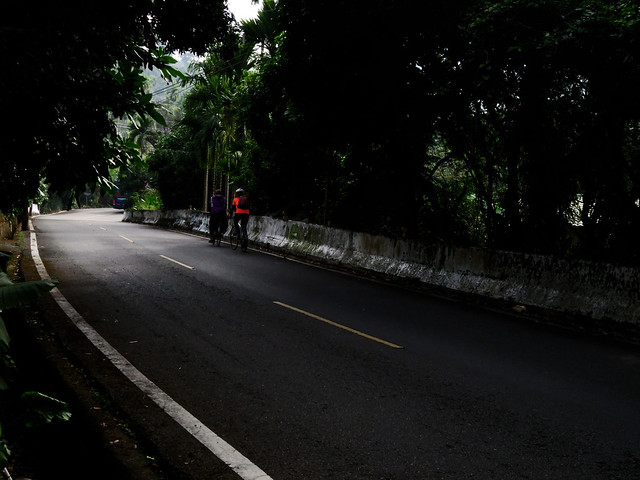
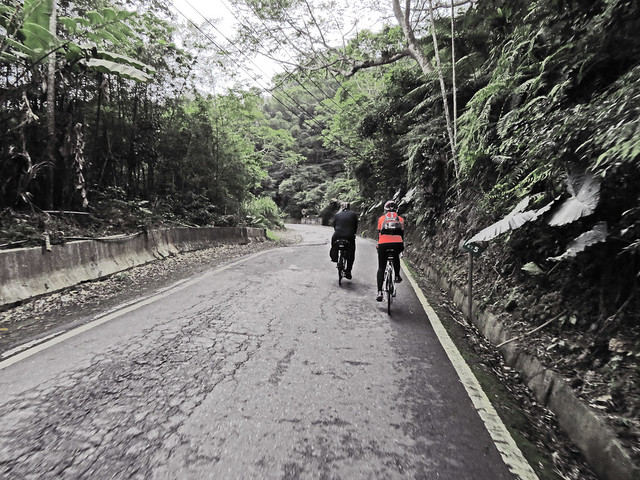
I realized as I drove, that was thinking like a cyclist as I was not taking the most direct routes to our destination, but rather, I was taking the route I would use if I had been riding my bike.

We were on a virtual bike tour by car.

Periodically, I would find myself recounting some experience or another biking those roads, or explaining to the car full of non-riders exactly how difficult the climbing was.

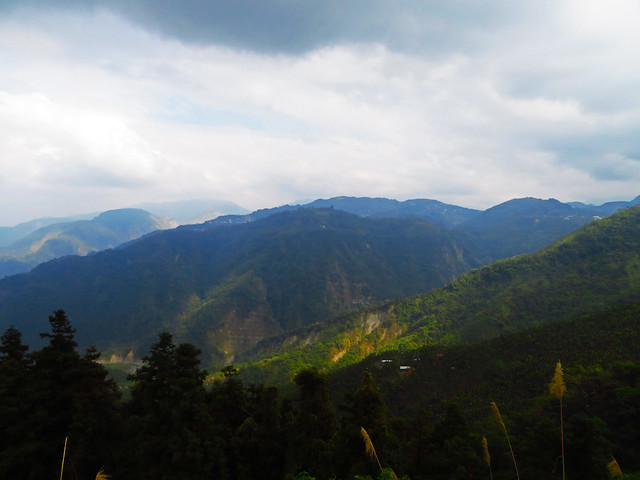
After a while I caught myself and tried to avoid a "band camp" monologue, but I also enjoyed sharing what I really enjoy about passing through those places in the open air.... No windows to insulate or frame the scenery.

Mmmmm!

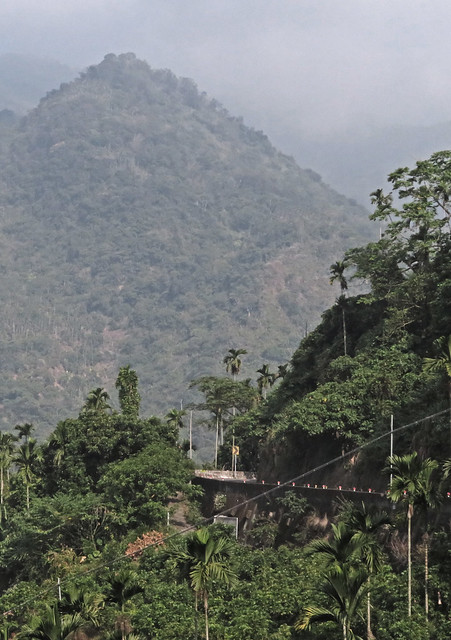
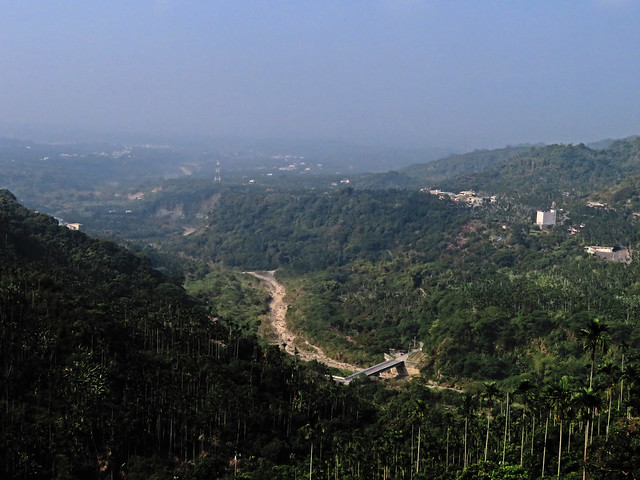
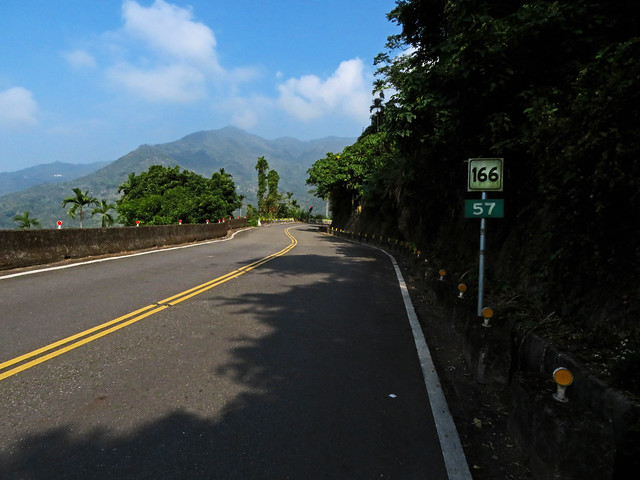
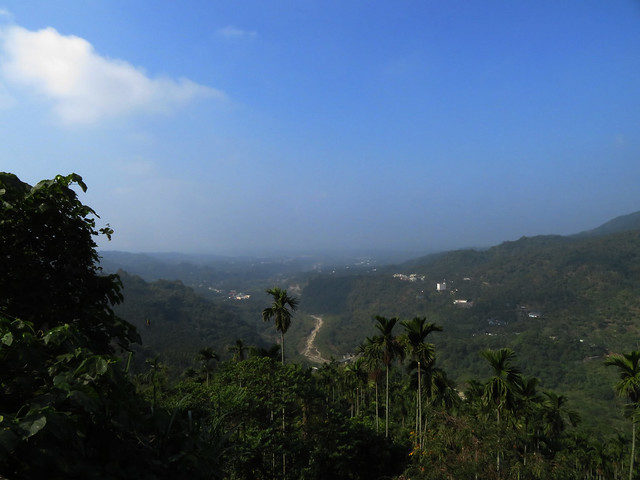
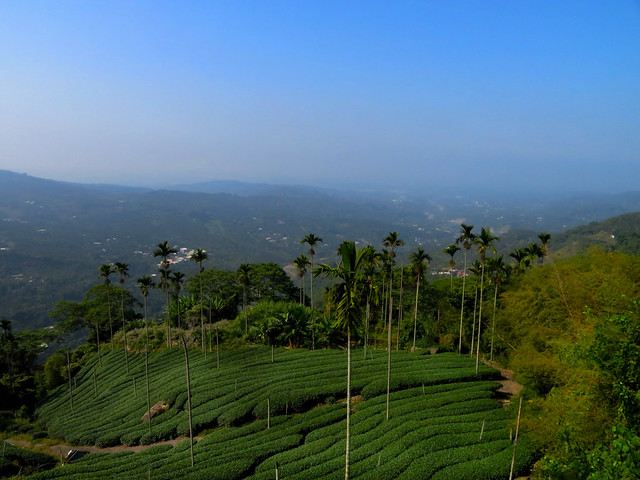
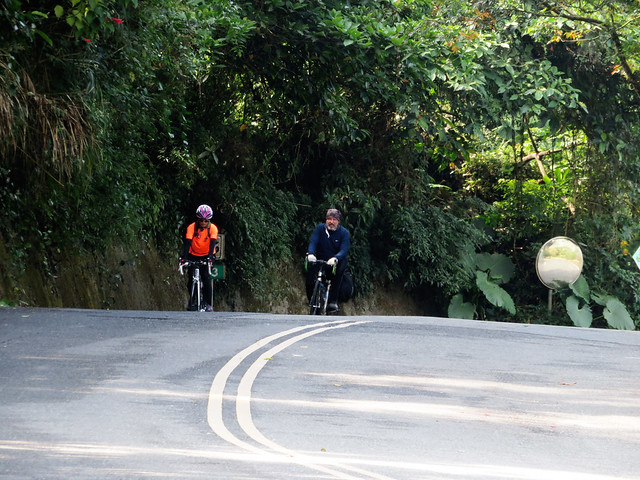
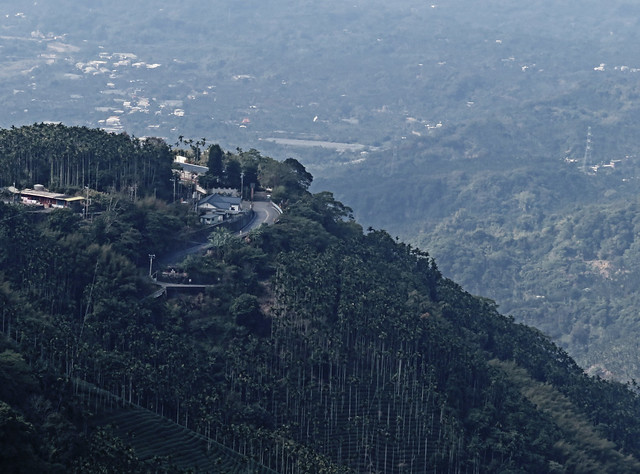
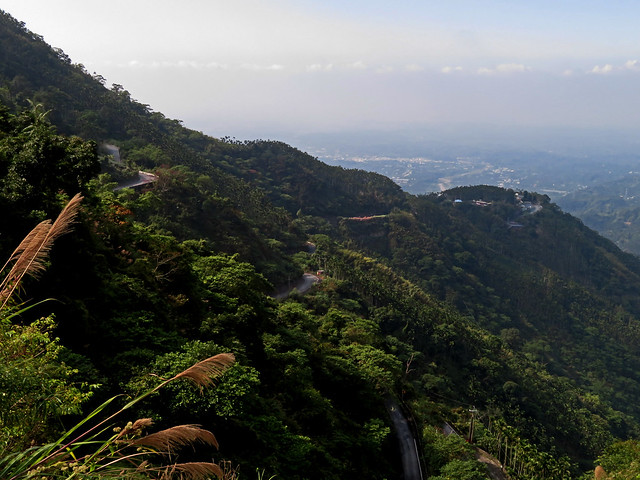
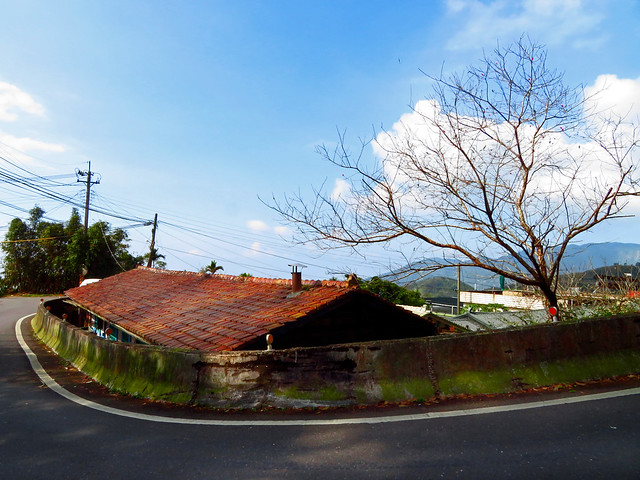
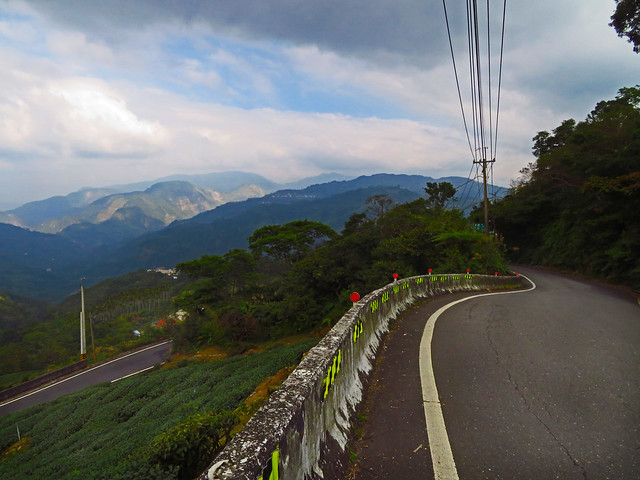
We enjoyed the nice weather with a Saturday trip up to Lugu to visit some friends and buy a little tea.

On Sunday, we took in the ride to Sun Moon Lake and over Bagua Shan.

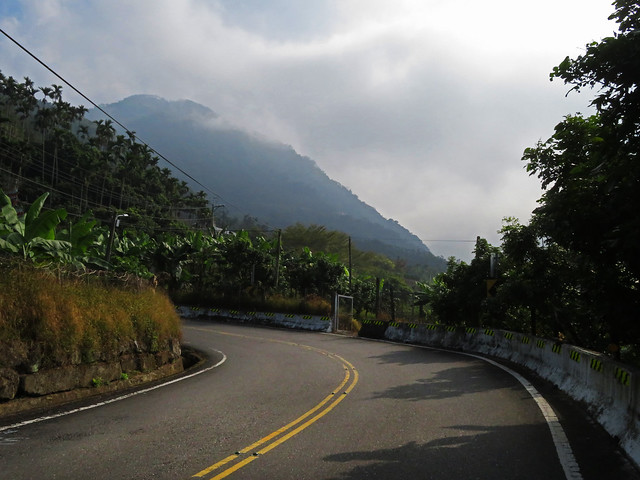
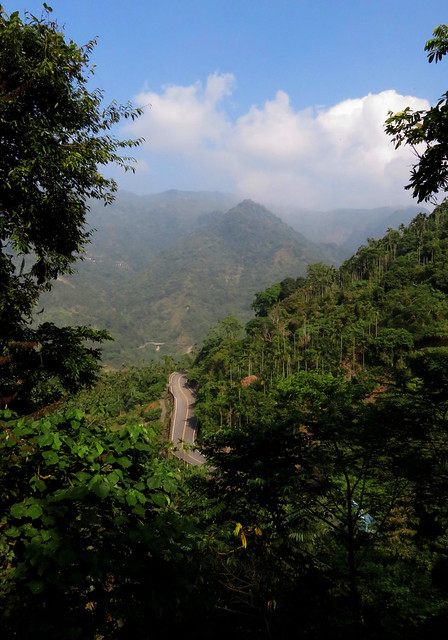
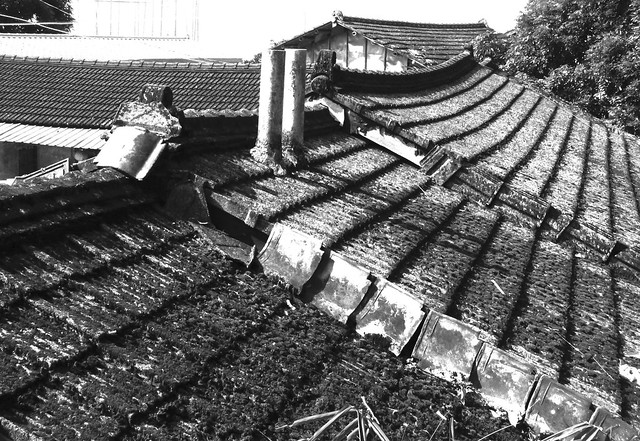
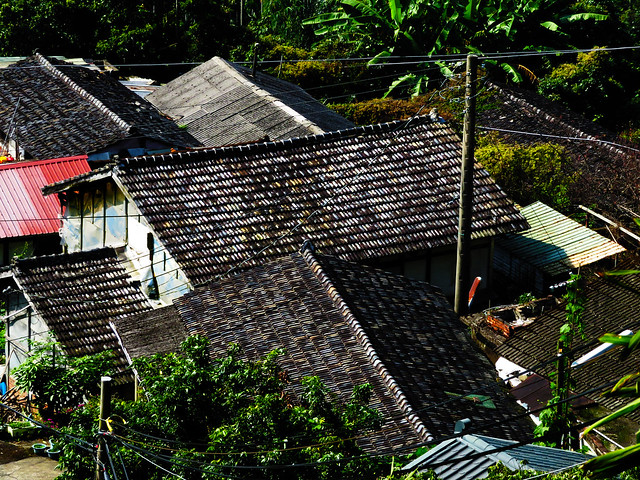
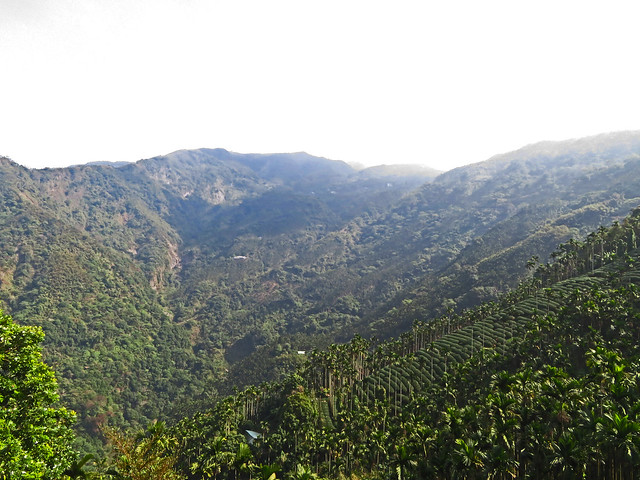
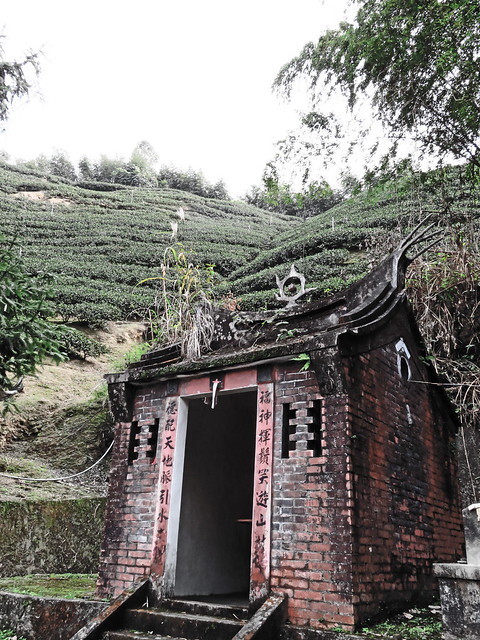
Below are a few of the pictures I took and a few links to the routes I have used to bike to these places.

Enjoy!


Jack's Tea

Tea Snacks

Tea Set

Gold

Tea Baskets


Sun hat

Bricks

View From Sanlnxi


Basket


Betel nut, Betel nut.... Where?!


Pineapple


Stud

Wednesday, March 14, 2012

Taiwan's Indigenous Bicycle Branding: Naruwan, Welcome To Taiwan


Taokas Bikes

As I was looking over some Facebook feeds last week, something interesting caught my eye. I noticed this little Taiwanese bike company had branded their company with the name "Taokas".

The company elaborates on the name on its website *My translation*:

300 years ago Taokas was a center of indigenous cultural and human resources. Three hundred years later, Taokas has transformed into an important base for the production of bicycles. Over the next three hundred years, Taokas will not only represent Asian bicycle brands, but will become an important symbol of Taiwanese cycling culture.

Taokas is the former name of Dajia, while the lands once belonged to the Taokas settlements of Plains Aborigines. When the first Han Chinese came to the area to open the lands for faming, they asked the local Taokas what the area was called. They said the area was called "Taokas".

As the word Taokas sounds very similar to "Tachia" in Chinese (actually the Taiwanese word Daiga), since that time the names then slowly evolved into "Tachia".

In reverence to the way Dajia nurtured prosperity, We have chosen to take the "Taokas" name for our brand.

Since the beginning of the 21st century, many European and American bike brands have entered the Asian market, but the design concept of the European and Americancars are not suited to Asian needs in bicycle design. Therefore, in order to better suit Asian the ergonomic requirements of the Asian physique, and the intended use of Asian bicycles, we created "Taokas" as a fusion of unique design and manufacturing processes to develop the most suitable Asian bike.

Initially, I was struck that any Taiwanese, outside of academia, actually know the word Taokas. Secondly, I was interested in how the word has taken on a new meaning for this company.

Taokas is an ethnonym that has been used for the groups of indigenous people who lived along the river valleys and alluvial plain between the Da an River and the windswept badlands of Hsinchu. The area around Dajia was once a major hub of Taokas village life.

At various times throughout Taiwan's history the Taokas often played a major role in the development of Qing frontier policy through their alliances and rivalries with other ethnic groups (both indigenous and non-indigenous).

1731: In December, excessive corvee, taxation, and anger over government employees casually sleeping with aborigine women leads to the Ta Chia revolt in central Taiwan. Braves from Ta Chia attack sub-prefect Chu at Sha lu, kill his entourage and set fire to the yamen building. As Chu flees south, many settlers are killed in the aboriginal advance toward Changhua. The Ta Chia (Taokas) tribe is joined by two tribes from the Anli (Pazeh) tribal group to defeat Qing troops defending the route to Changhua.

1732: The Ta Chia revolt continues as troops are drawn from the south to assist in putting down the rebellion. The absence of military near Feng Shan sparks a minor rebellion of Chu Yi-kui supporters in the south. At the same time a regional official, Ni Hsiang-kai, has five grain transporters killed from the Papora tribes hoping to pass them off as rebels and collect a reward. The killings result in the Papora joining the rebel assault on Changhua. The Babuza tribes join the uprising and the revolt gathers 2,000 aborigine braves in a siege on Changhua city and the surrounding area. The Qing bring up several hundred Hakka braves and enlisted several Honya tribes with the loyal Anli tribe, which fight until a settlement can be reached, but not before much of the surrounding countryside has been devastated.


Rikulau

Despite such a great segue into Taiwanese history, what I really find fascinating about Taokas and other Taiwanese brands, is how often they resort to using indigenous names and symbols in their branding.

Rikulau, the custom frame builder, has built its brand around the Rukai word for Taiwan's extinct species of Clouded Leopard.

Rikulau - the legendary sacred animal of the Rukai people (a Taiwanese aboriginal tribe). Rikulau is the name of clouded leopard in their language. 700 years ago, a group of Rukai ancestors followed the footprints a Rikulai to find a forever land for their children. They left the east coast, and went up the stream into the deepest forests of the mountainous ranges of southern Taiwan. And finally, they settled at the foothills of Da-Wu mountain where the footprints of rikulau stopped.

Rikulau is the biggest feline animal in the island of Taiwan. It moves like wind in the deepest forests of the mountainous island. It is the best climber among all wild cats. It is the fairy that bridges the dreams between people and the nature. It is the incarnation of agility, speed and style.

(Note: Rikulau – clouded leopard in aboriginal Rukai language)

Like most branding, the names seek to create a story and a fantasy. The company hopes to make a resounding emotional connection with the consumer that will result in company profits.

For Taiwanese, the image of the indigene has undergone 400 years of transformation in the face of Han and Japanese ethnic hegemony. The list of pejoratives in the official discourse has ranged from, "violent and backward" to " athletic, drunken and benign".

During the 1990's Taiwan experienced a confluence of social, economic and political change that resulted in a reframing of Taiwanese cultural life from outside of the Han Chinese model favored by the Chinese Nationalist state apparatus.

During the economic boom of 1990’s, eco-tourism took off in Taiwan as many of the areas “reserved” for the Indigenes were redesigned to allow city dwellers to escape and explore their own sense of “otherness,” like Marlowe in Joseph Conrad’s Heart of Darkness. Tourists are often treated to demonstrations of indigenous dancing, singing and traditional handicrafts to learn about the “other”.

The general assessment of the value of Indigenes in Taiwanese society echoes a sentiment of the urbanite intent on encapsulating pure authentic primitiveness in which some conceptual balance can be achieved. The urban imagination collects the images of the Indigene and blends them together with scant knowledge of the colonial experience of Taiwan.

The trend of branding bicycles to reflect Taiwan's history of indigenous cultures both seeks to authenticate and differentiate Taiwan and Taiwanese culture as distinct from the cultures of China as a source of local pride.

At the same time these brands exploit the existing memes of Taiwanese indigenous life to reflect the modern Taiwanese exotic fantasy longing for simplicity, freedom and leisure; values often attributed to indigenous cultures on Taiwan that are represented in the trend toward cycling as a leisure activity.


Taroka (Named for the Taroko People)


Tuesday, March 13, 2012

Tour de Tai Yawn (Update) Stage 5

After four stages of the Tour de Taiwan, the teams are making the most of the race and clamoring for points. The weather has been miserable since the weekend, and I feel bad for all the guys out there chugging away.

The great thing about competition, is that it is often so intense, it makes you forget about the sensations of freezing wet misery. Some nice reporting on Stage 3 Here and Here.

As it stands after Stage 4 in Taichung, the Aussie, Rhys Polluck from Team Drapac, still holds the GC with a seemingly insurmountable lead of 9:57:13 over the rest of the field.

Lee Rodgers has another stellar piece from his ongoing series with Velo News.

Today, Stage 5 cuts up Changhua for 150km through the mostly flat farmland with an opening hop over the Highway 74 and a couple kilometers of rollers along a short section of Bagua Shan.

Most of the Changhua route slices down the Highway 17 through Lukang, and into Erlin. This is is a miserably desolate and windy route as it misses some nice roadway along the other side of the Choshui River. The route skips Hsiluo and its amazing bridge, but instead, assaults the riders with the nasty Highway 1 back to Changhua. Not the most creative or rewarding routes, but I am sure the riders with have fun picking each other apart in the crosswinds.


Other Links:


Monday, March 12, 2012

Taipei Cycle 2012: The Bicycle Industry Touts Its Wares


Taipei Cycle just wrapped up after three busy days filled with companies that are both growing and showing.

Several of the usual suspects were present and accounted for, along with some new exhibitors. Meetings were held, deals made, palms pressed and opportunities gained and lost.

According to the numbers, international attendance was up 13%.

In over 25 years of Taipei Cycle the center of the cycling universe has shifted to Taiwan as the majority of engineering units and many fabrication facilities are still located in Taiwan, while many carbon shops are located in China run by Taiwanese firms.

There was a lot of cool gear on display, some echoes of the past and the future, and lots to think about.


I was happy too see a large number of non-carbon fiber frames on display. While China is becoming the place to get highest margins on composites, Taiwanese companies are forging ahead with producing the highest quality steel frames in mass production. Lots of slender steel tubes.


I stopped by the QBP booth and chatted up Zoe from Leeche International Sports Co., Ltd.
Zoe was very pleasant as I explained how one of the representatives from her company (Mandy) was less than courteous to us when I tried to warranty my broken frame. I tried to politely let her know that it made it very difficult to reward Salsa for standing behind their brand, when Leeche does not. I also let her know that Salsa and Surly make some great bikes for Taiwan, like the Vaya pictured above, but they are very difficult to find and are under-promoted.


Axman was out in force as well. As far as composites go, Axman makes some fine bikes. Moreover, they are highly regarded for their finishing facility in Fenyuan, near Caotun.


I was also happy to chat with Grace from Maxway.

If you have never heard of Maxway, you are forgiven. Maxway handles the TIG welding for some of the biggest bicycle groups. I have ridden a few of their bikes under different names. Several of their products were on display under the paint from other exhibitor's brands.


I was pleased to see so many titanium bikes on the showroom floor.

ORA had a few of their models on display. ORA has been in the titanium frame business for decades and puts down some fine welds for a non-custom shop. Companies can select over a dozen types of tried tubes, stays, forks, and geometries for their bikes. Motobecane proudly displays the ORA mark.


I loved the fillet brazing from Tange. It really gives the buyer a look at how finely engineered the tubing really is. So much for the reputation of the Asian pejorative in frame construction.


One of the biggest stories from this year's Taipei Cycle was the message that disc brakes are here to stay... and they aren't going to stay dirty. Expect to see a major push to have hydraulic disc brakes mounted on the latest road frames as well.


Ever since last year's announcement that the UCI would be allowing disc brakes in its sanctioned cyclocross races, there has been a flood of new frames sporting disc tabs. Stevens was one of the earlier adoptees (of course, I had discs on my 2007 Salsa Las Cruces).

Now with the rule change, it will be exciting to see where the technology goes.

Some people feel the rule change was pushed on the UCI by component manufacturers looking to sell frames and components for disc brakes.

That may be a part of the equation as bikes seem to stop perfectly well with calipers, cantilever and V-brakes.

There is also some concern regarding the weight.

On the other side, there is the argument that hydraulic disc brakes will allow for faster, safer stopping on tough descents.

Electronic shifting has allowed engineers to vacate the hoods of mechanical parts to use the open space as a reservoir for hydraulic cylinders to feed the brake lines.

A change in UCI rules for road racing may see even more energy and funding devoted to disc brakes. According to the rep from Formula hydraulic brakes, the disc braking system installed on the C-59 Disc is "lighter" than competing caliper options. I do not know about frame weight, as frame engineers may need to stiffen the drive side to deal with the stopping forces associated with disc brakes.


I was stunned to see Yoan Industries unveil several new models of their Speed One brand. Their CX8, a steel, disc brake, cyclocross bike, was absolutely stunning.


Unfortunately, when I tried to chat up the owner regarding his vision for his brand and its future, he blew me off and referred me to the little blurb in the brochure.


I can really see this as being a wonderful option for a light, multi-use bike. Speed One was also showing a Di2 and twist tubed bike with an echo of the Lynskey Helix. Something tells me Speed One wishes to work in Titanium.


Token put up a wide array of their product line, from wheels, hubs, and bottom brackets, to QR skewers and colorful spacers.


On occasion a deal could be seen being made to negotiate for some future model or another.


VP had some really nice retro components. Some folks are going for a simpler aesthetic. They put a real impressive finish on all of their stuff.


It was not just the moving parts that were put on show. Even the paint was shown off for perusal.


I was happy to meet up with Steve Fenton of Pro Lite. Pro-Lite, among other things, has one of the finest wheel building shops EVER. So many things on display from Pro Lite: Bars, saddles, bikes, wheels, clothing... you name it.


I also took a minute to chat up Perry from Lezyne, which is getting ready to open their new factory in a matter of weeks. I can not believe the number of pumps and devices offered by this one company. I did have to sheepishly mention the trouble I have had with one of their CO2 units. It wouldn't be a big deal... if it didn't mean getting stranded on a desolate mountain road with the only thing separating you from civilization being 15km of deserted pavement and a pair of cleated shoes. Perry was awesome about everything.


I had a great time chatting with the multinational force from Argon 18. Some fine bikes from a great brand. Roberto, the Italian member of the team, was great to chat up. We talked bikes and the faltering Italian presence in production. The question remains... can you truly build a 100% Italian bike these days? I have my doubts.


I created a little bit of a scene when I was surprised by the Sheng Yang booth. I stumbled upon the Axiom S, from Seven Cycles.

As I stopped to get s few pictures, a few more people stopped to see what I was looking at. I must have exuded my own enthusiasm for the bike and went into pitchman mode enough to draw a small crowd into hearing me proclaim it to be the magical bike that disappears beneath you...right here in River City!

I did get to meet the youthful William Ko from Sheng Yang in Tainan. I had only dealt with William via email and over the phone in regard to Seven, but he remembered my first email to him in 2007 asking about a Seven CX bike.


Another company that was busy showing its array of subsidiaries, was the Accell group. I missed the chance to meet up with their talented new Asian Market Manager for Lapierre, James Murray, but I did get a look at the new Lapierre bikes.


Another one of the big stories from Taipei Cycle was Tern Folding Bikes.


Tern is in the middle of a major marketing blitz after announcing plans for a full rollout of folding bikes this year after a messy divorce from Dahon. The Tern reps were unwilling to comment on the legal entanglements, but gave no sign of trouble.


Personally, I really liked what I saw. It was almost like a Project Runway Finale at Bryant Park. Tern successfully rolled out sever different looks to cover the entire range of the folding bike niche.

The designs are sleek, modern, simple and practical.


Moreover, Tern has taken the initiative by constructing an entire ecosystem of Tern related bicycle accessories under the Biologic brand name.


It is easy to hope for Tern to take control of this market and make folding bikes a more elegant, useful mode of transportation that can seamlessly integrate into our lives. It is incredible to see a brand enter the market so well equipped.


Another one of the show's stars was the impeccable C-59 disc from Colnago.


Ernesto Colnago is known as a man who wants to push the limits of design and technology. Here, Colnago has done it again by bringing a disc equipped road bike to market along with a similar CX option.


With its hydraulic brakes, the C-59, under the stewardship of one of the big names in cycling, may be forcing the hand of the UCI into allowing disc brakes in road races. Only time will tell, but there is money to be made in new tech.


I have to admit, it is a sweet looking machine that really gets the mind wondering about the possibilities of disc technology. For now, the same ISO disc tabs apply, as well as the 135mm rear hub spacing. Shimano has already announced a lighter mechanical disc unit for 2013.


Another highlight of the show was the public debut of the TYA brand. TYA will be offering an all steel road bike in classic styling as a 650B model.

The possibilities of a 650B road bike are interesting, not just in their ability to accommodate shorter riders, but also in their versatility and ability to quickly wind-up to speed.


As far as components and tools go, Birzman had a whole selection of nicely crafted bike tools. They had just about everything a rider or wrench might need to tear down or put up a build. Nico Ferreira, the Birzman rep, did an awesome job showing me the entire line of what any Bird Man might need .


I was also interested in hearing from some of the companies over dealing with the devil, so to speak. many have made arrangements with some of the largest manufacturers in Taiwan to produce their lower to medium cost frames, in exchange, they are limited to only selling the highest-end frames NOT produced by the really big Taiwanese manufacturers... and only at one or two locations. This severely limits the choice Taiwanese customers have in selecting a bicycle. It also ensures a situation bordering on anti-trust that squelches competition.

The laws of the market dictate that sacrificing the Taiwanese market is preferable to producing frames elsewhere.

On a final note:

The 2012 Taipei Cycle was split between locations in Nangang and Taipei World Trade Center near Taipei 101.

The Taipei 101 location was for first-time exhibitors and it looked like the junior Varsity league. At first glance it looked like the venue was abandoned. It was a real disservice to those exhibitors eager to expose their products to a wider audience.