body{background-attachment: fixed ! important; }

Sunday, April 24, 2016

Miaoli Route 48(苗48): Beautifully Smooth Hilly Road...shrug!

Untitled
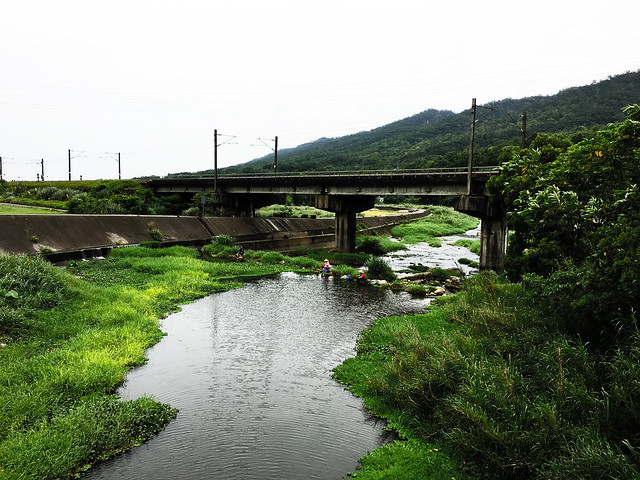
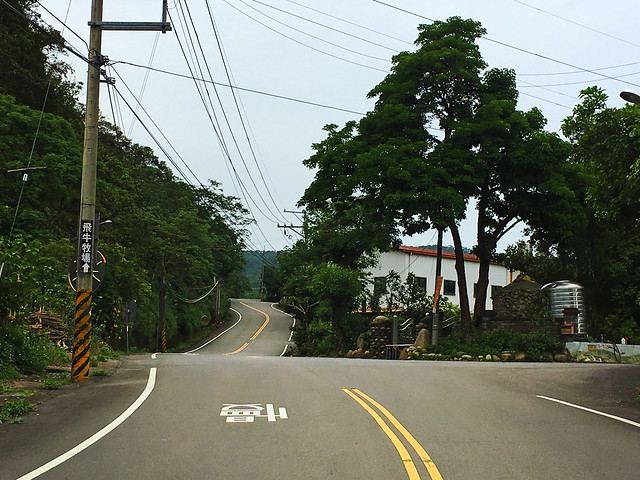
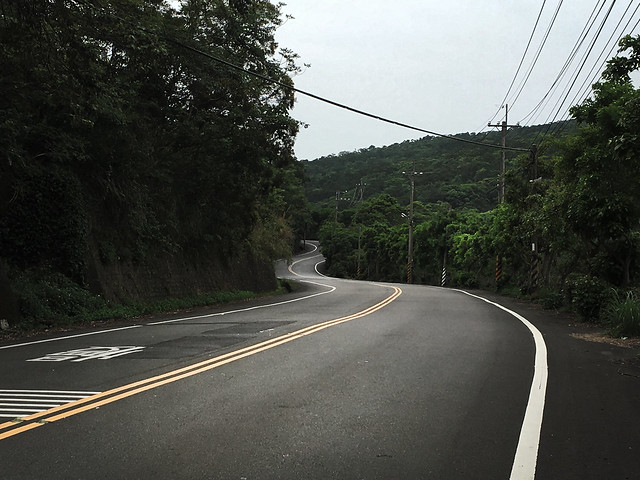
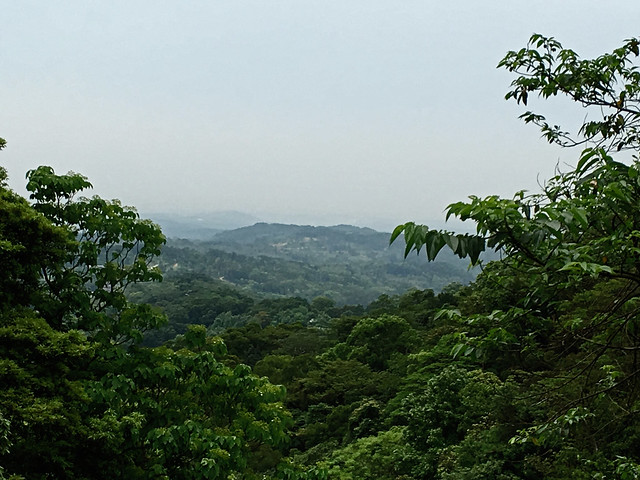
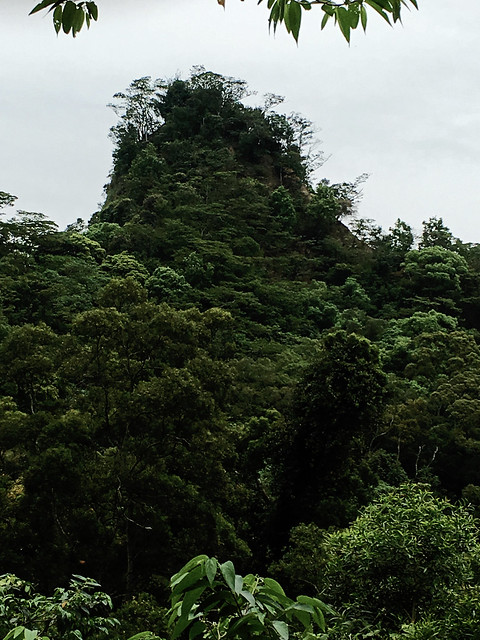
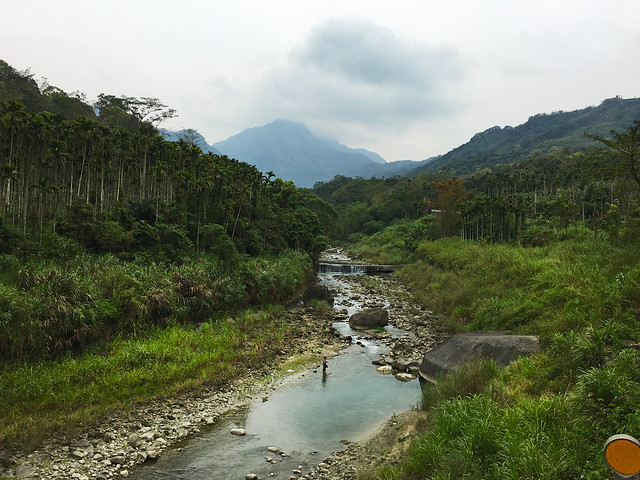
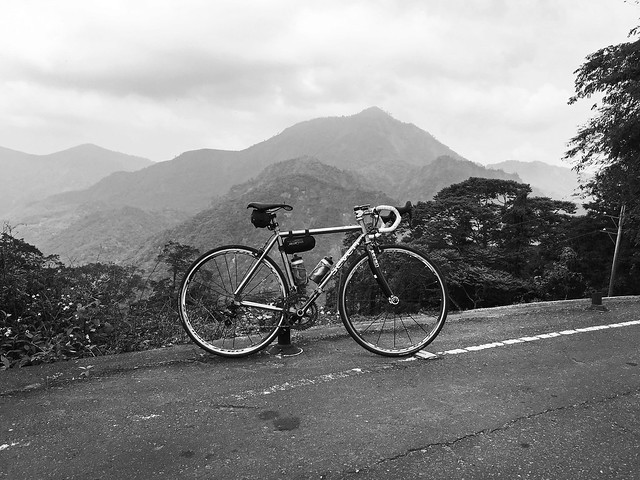
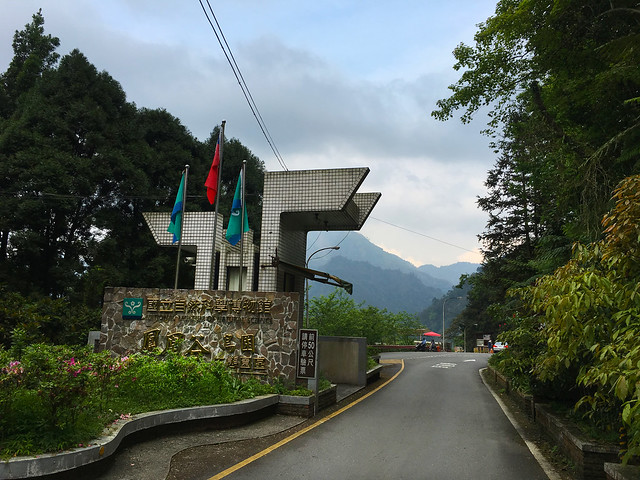
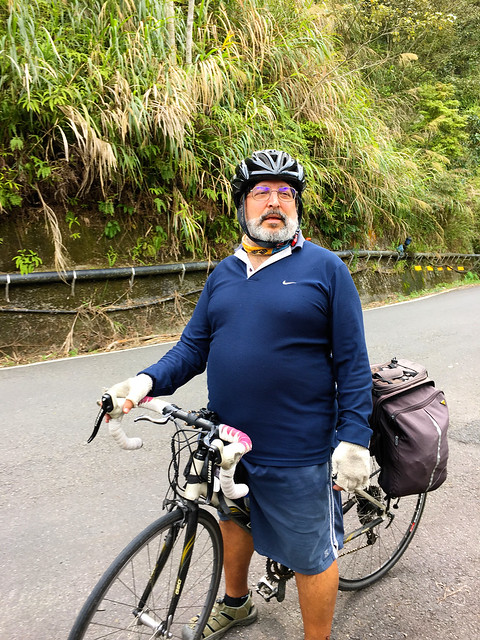
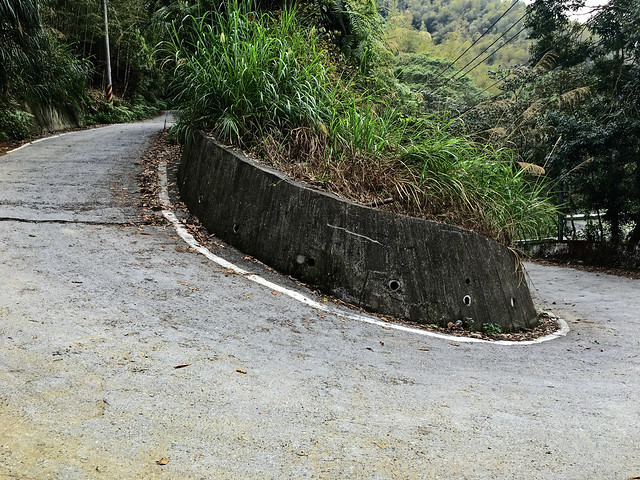
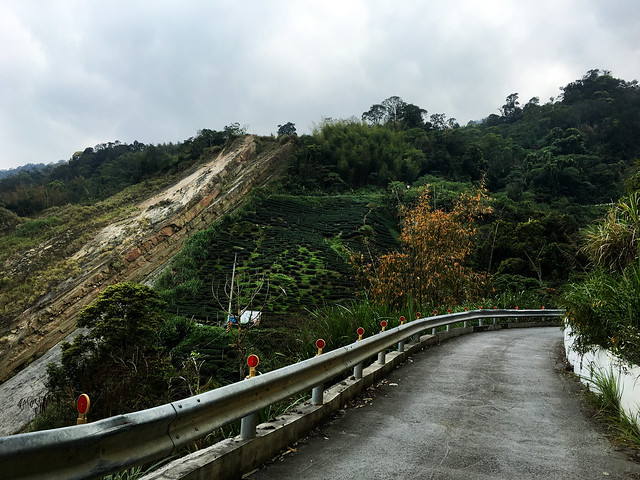
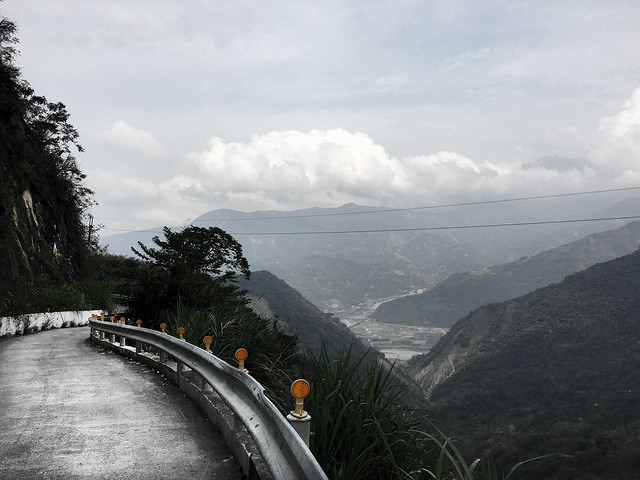
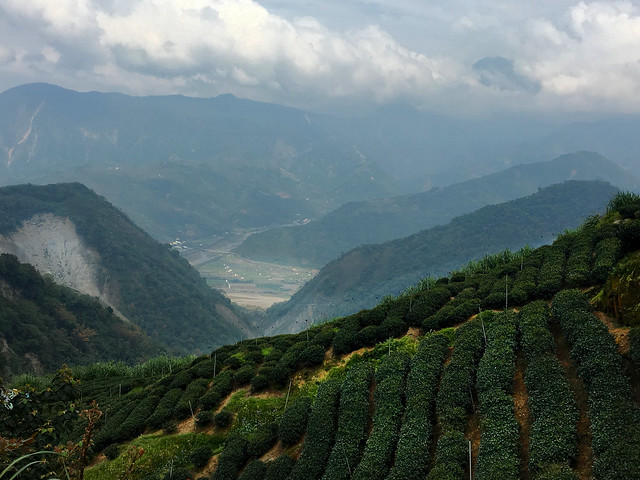
This past Saturday I took off to criss-cross the forested hills of Miaoli County on a bid to tick off a couple of those thirty-something numbered roads that lace between the Highway 13 and the coast. I had seen the Route 48 from the Highway 13, and it looked like a total gem as it opens with a squiggle between two cliffs. 

I figured I would make a day of it and get some climbing done in the process. 

Untitled

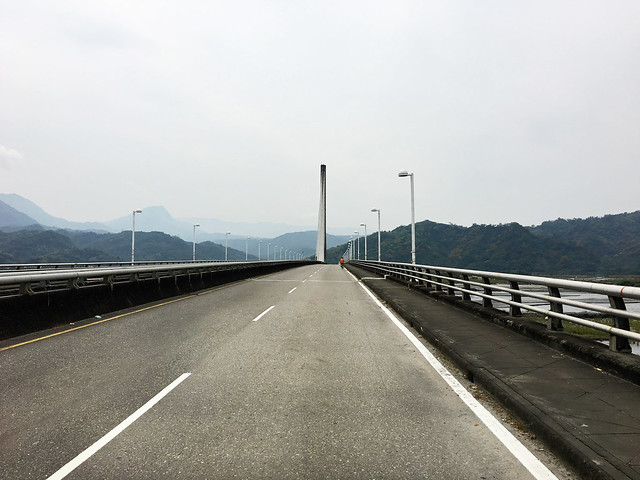
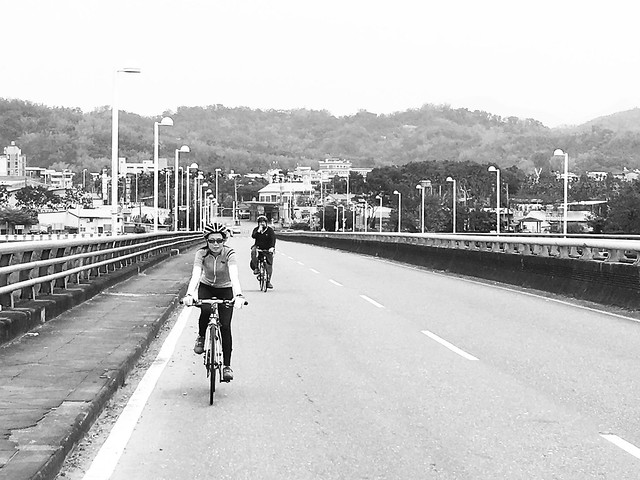
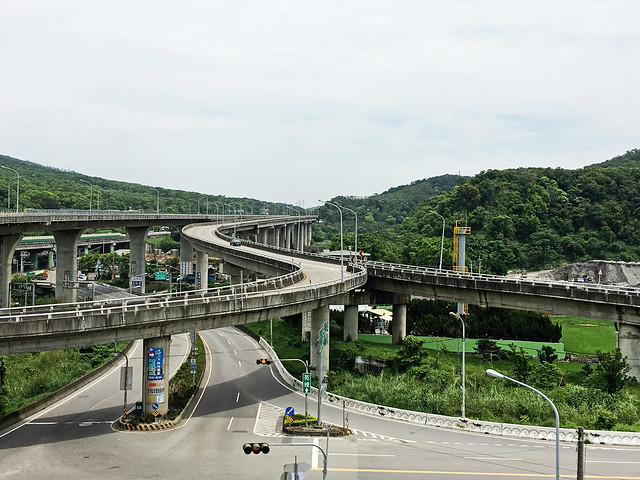
I cut through Fengyuan on the usual route toward Sanyi, and stayed o the Highway 13 all the way up that wretched viaduct that is too often the substitute for much nicer offerings. I was not ready for style points, so I just plodded into the wind in a northward direction. 
Untitled

Untitled

Untitled

Untitled
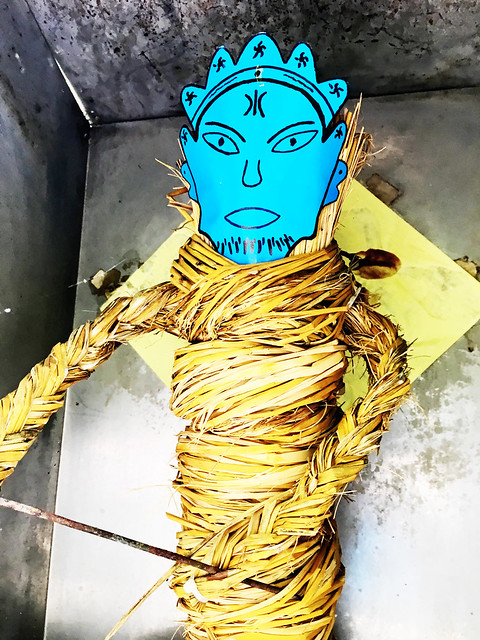
After cutting through Sanyi and the whole woodcarving shenanigans and a temple procession, I was on the lookout for the Route 48, which appears beneath the bridge on the northern edge of Sanyi. 
Untitled

Untitled
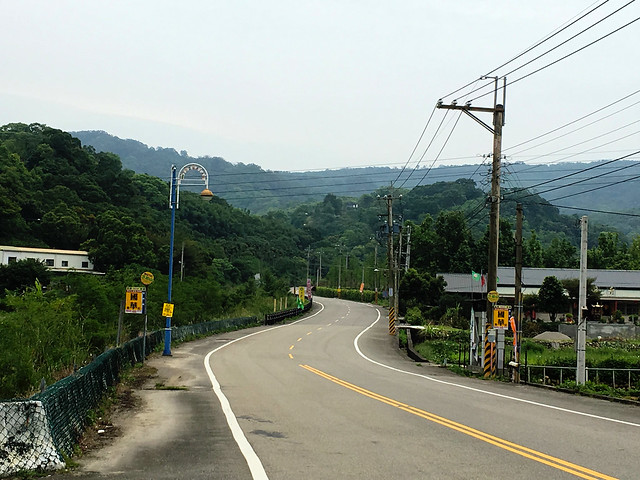
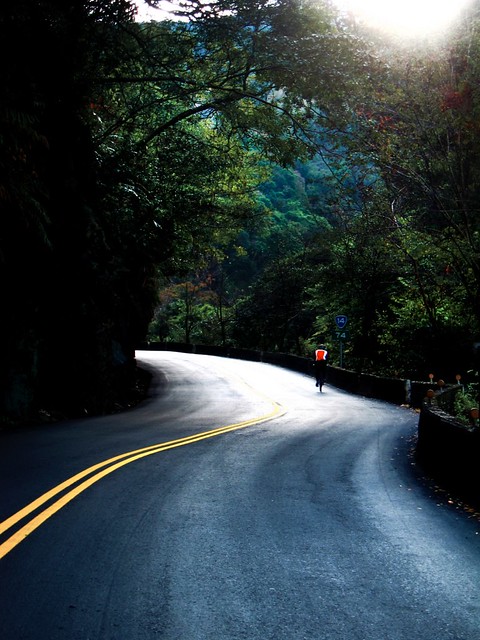
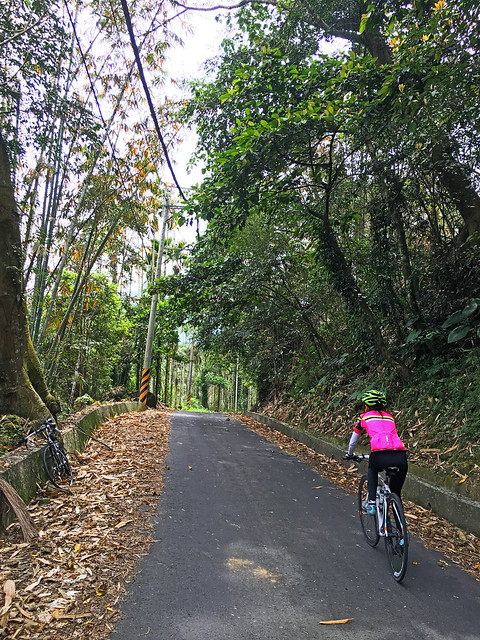
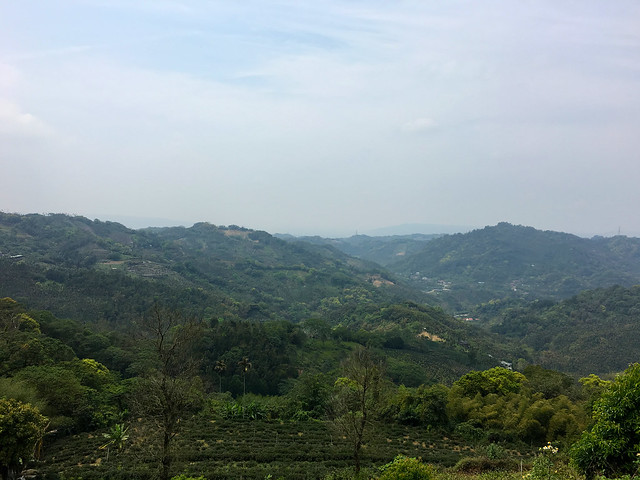
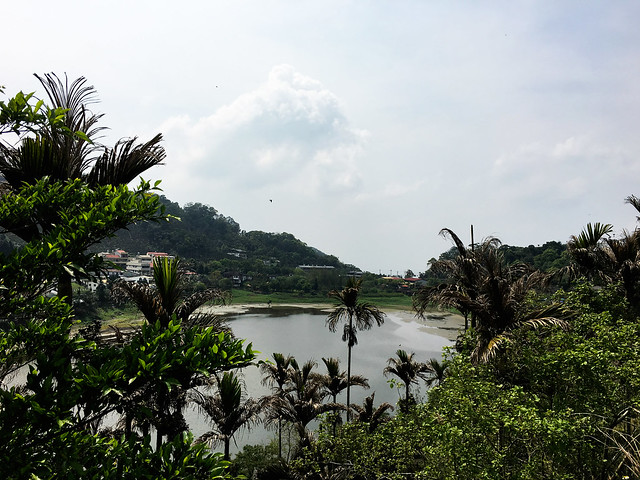
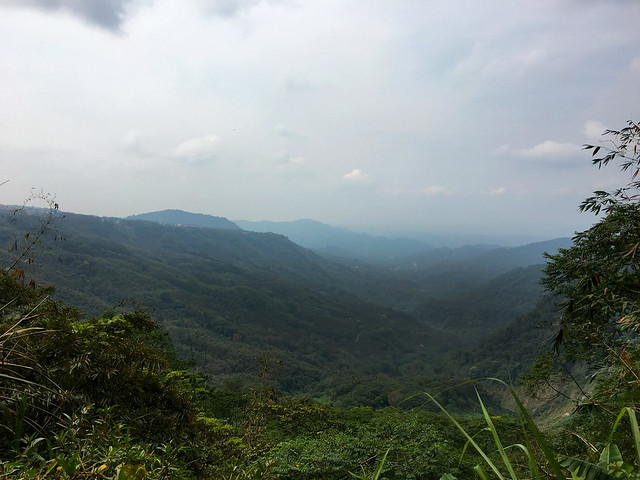
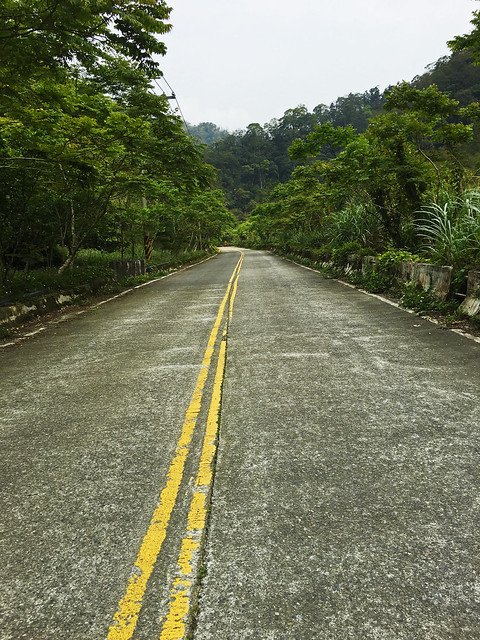
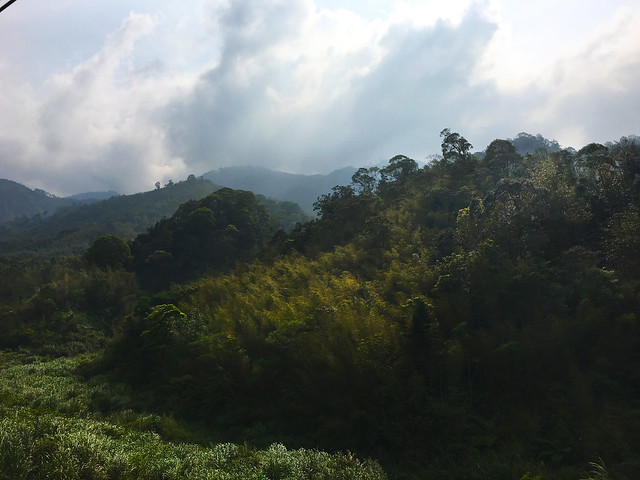
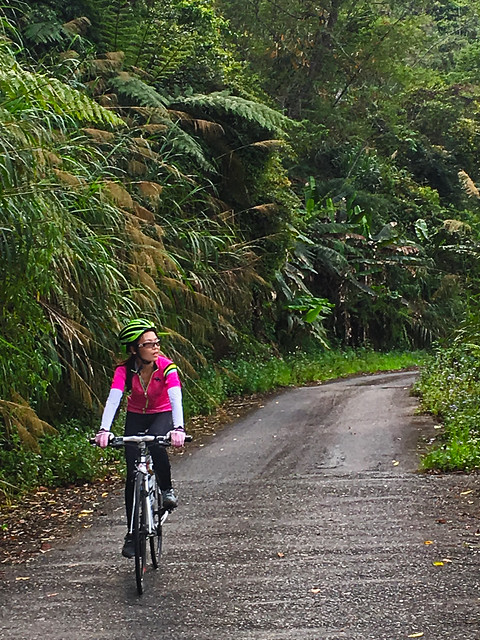
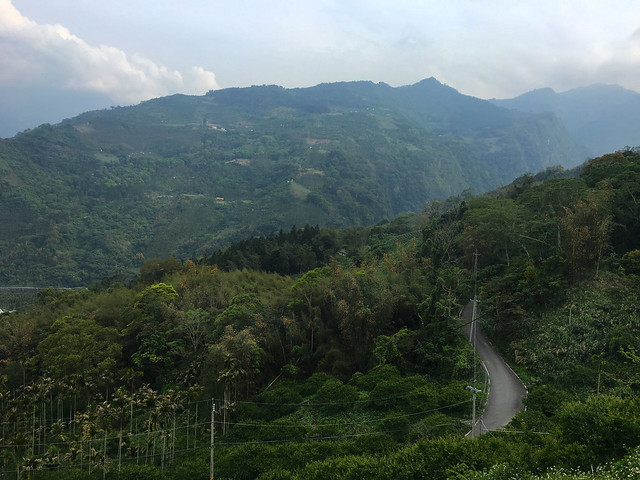
The road teased out a few opening climbs and easily slithered into the wooded hills above the Sanyi valley. 
Untitled
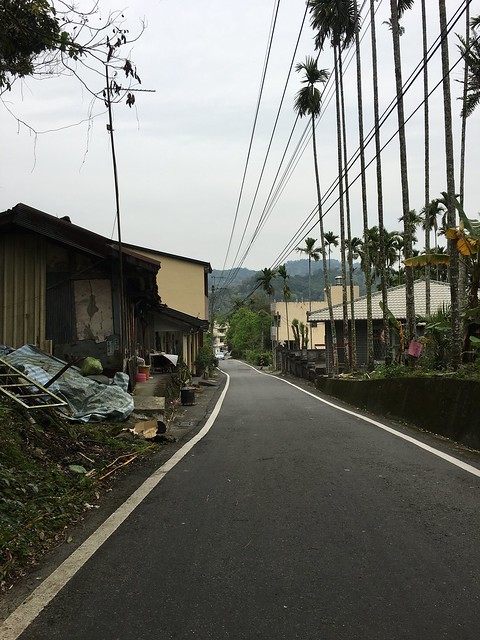
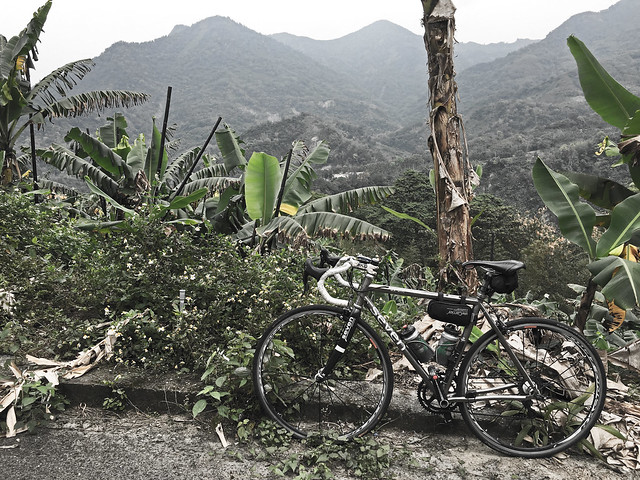
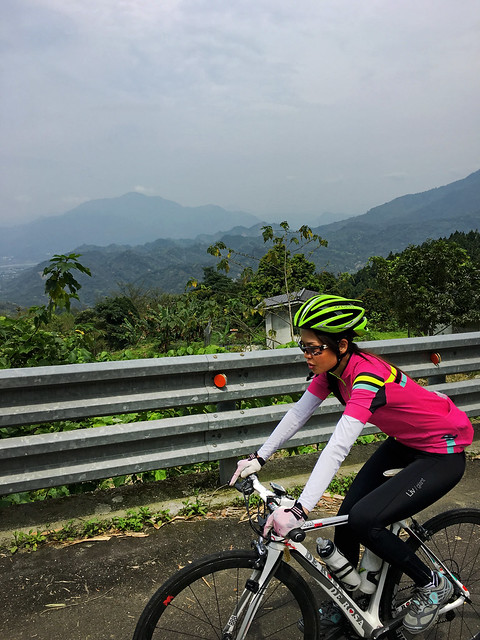
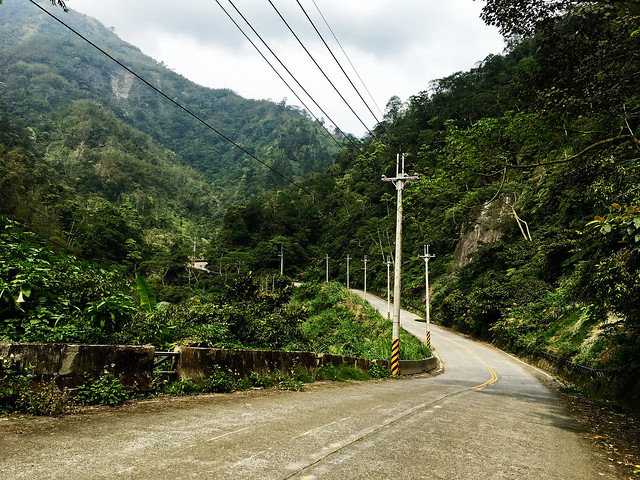
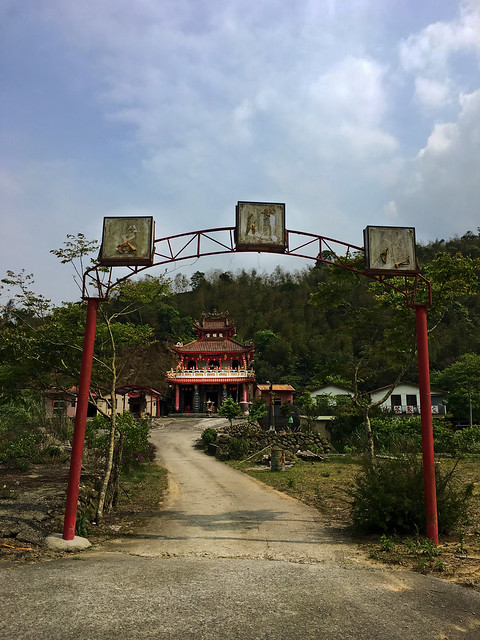
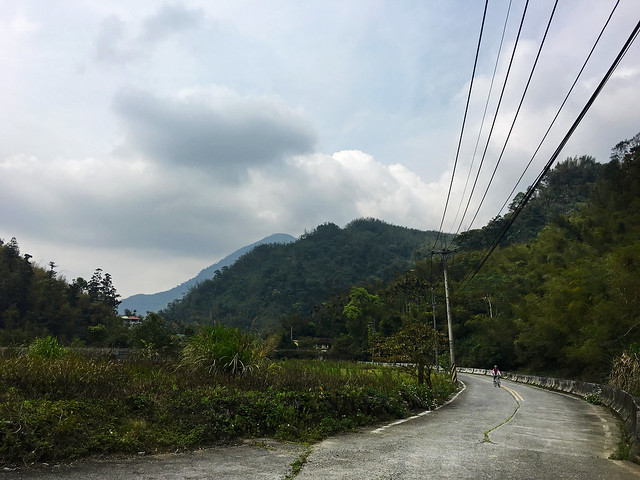
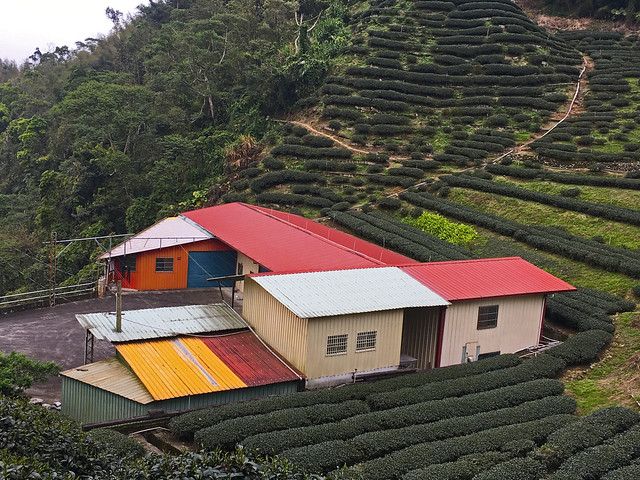
None of the climbs were too terribly demanding with little traffic and plenty of rural Taiwanese sights between the occasional B&B. 
Untitled
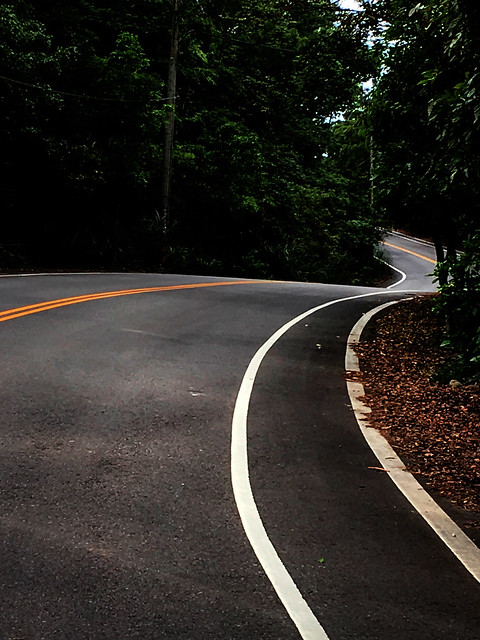
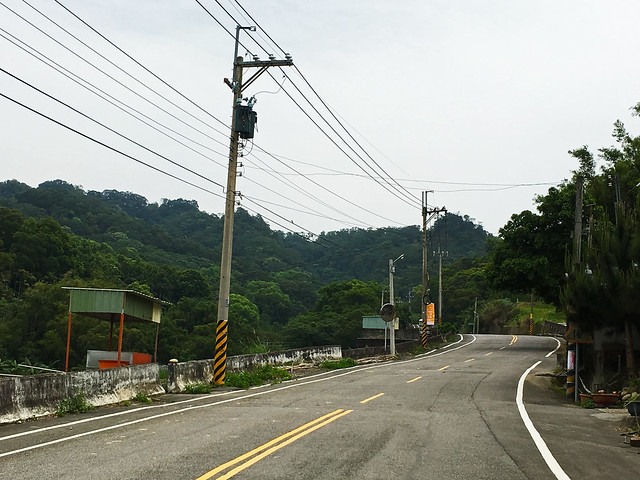
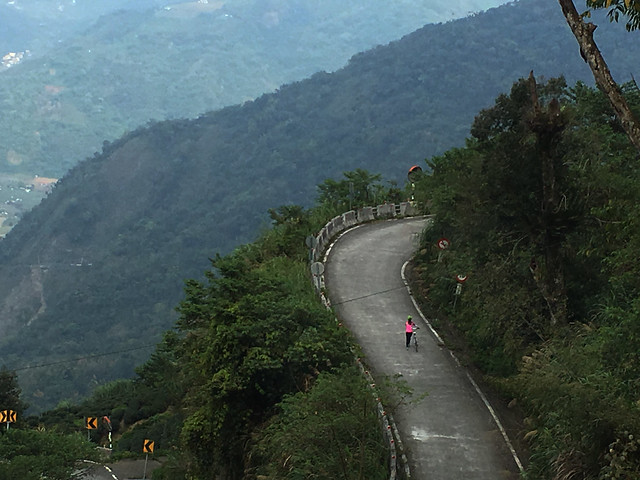
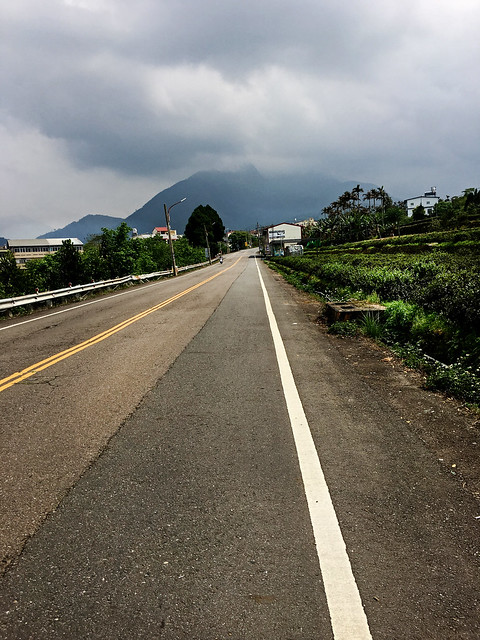
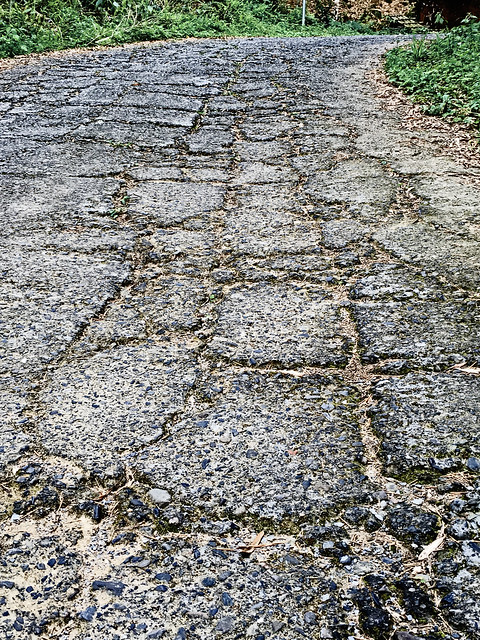
This is road is really more indicative of how spoiled we are in central Taiwan. It was a gorgeous, well manicured road with a couple stiff, yet enjoyable climbs over an eddy of hills below. 

It was okay. 

I really don't see the Miaoli Route 48 as a main attraction, but rather as an additional puzzle piece to complete a longer, better ride. It could easily connect to the grinding climbs of the Route 38 as an easier companion in the return trip, or some other more challenging route.   
Untitled

Untitled

Untitled

Untitled

Untitled
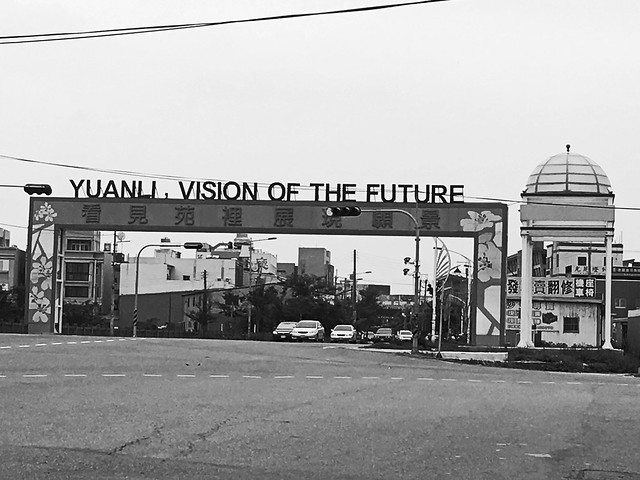
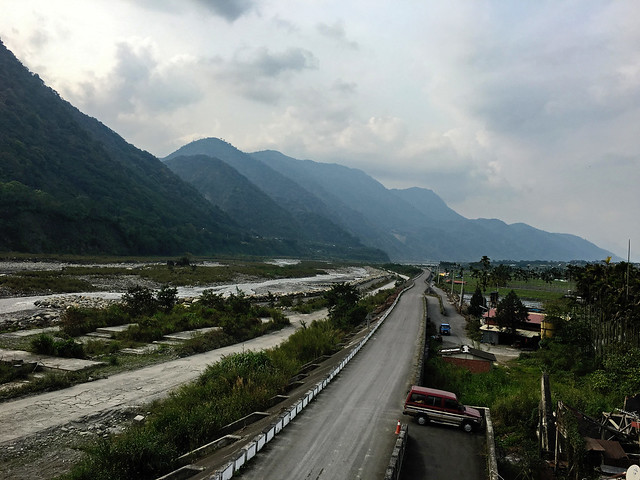
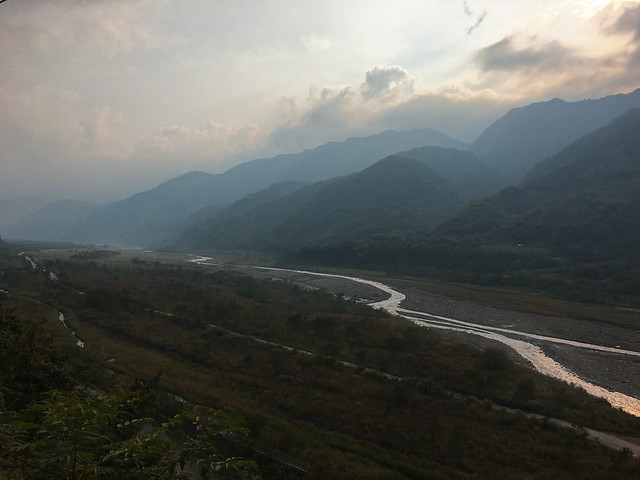
I blasted off the hilltop on a seemingly endless descent toward the wasteland along the Highway 1 with the intention of going further northward for another interesting road. 

I was in a difficult spot. The weather was hinting at rain and in Miaoli anything is possible with the weather. Moreover, I was getting a little hungry and was in the rare location with out quick eats. Lastly, I was feeling a bit tired from an overenthusiastic mid-week training ride and just didn't have it in me. I turned tail into the wind, which had flipped direction while I was climbing that hill, and fought my way back along the Highway 1.  

Untitled

Untitled

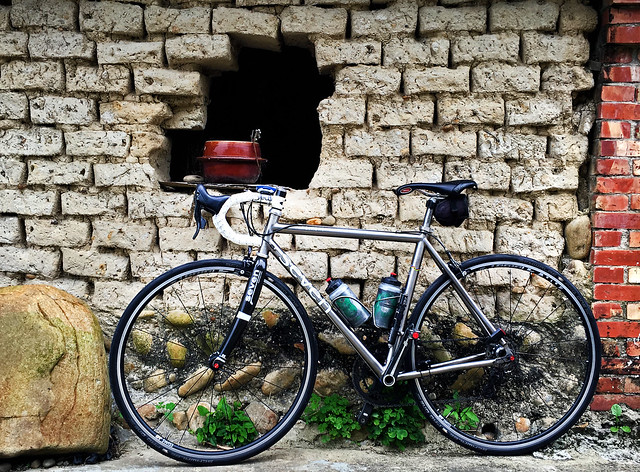
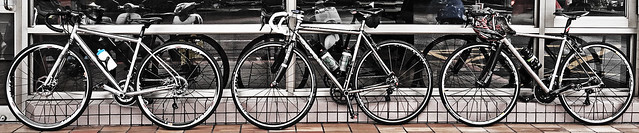
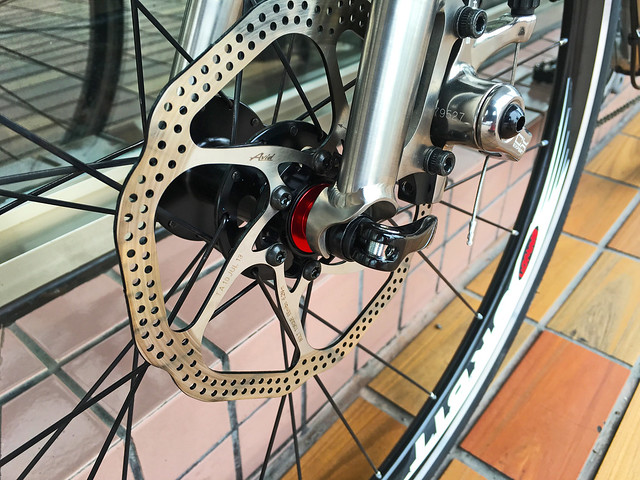
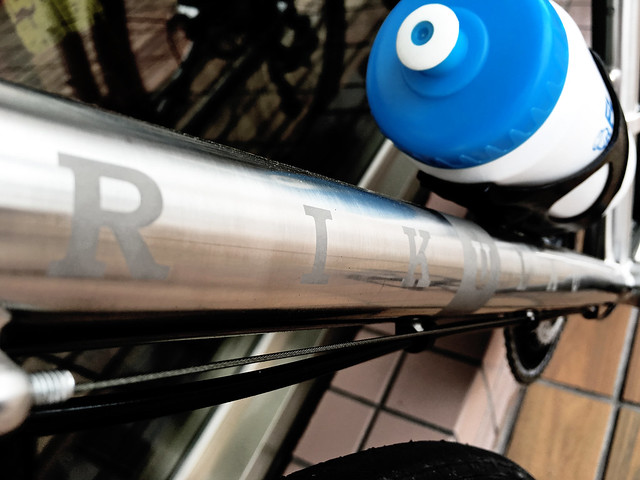
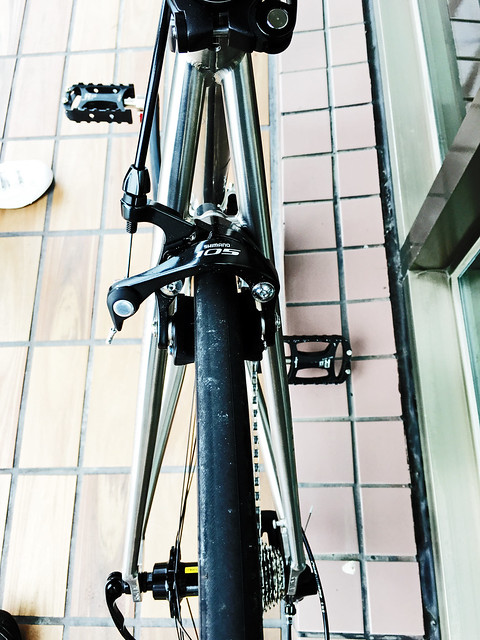
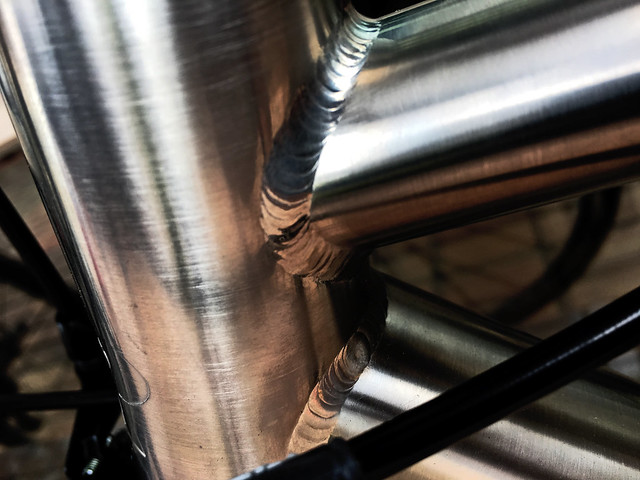
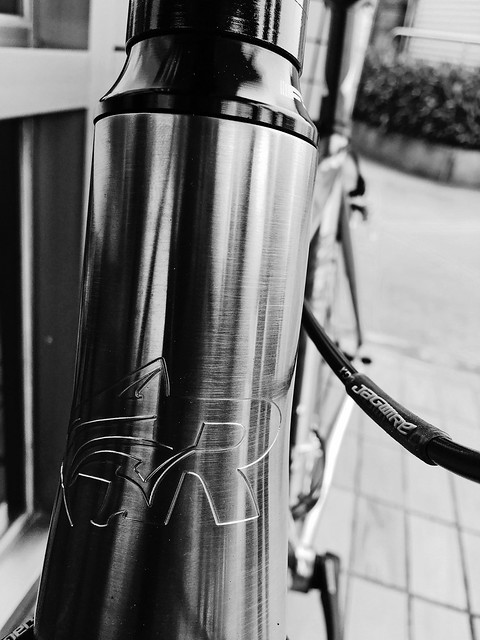
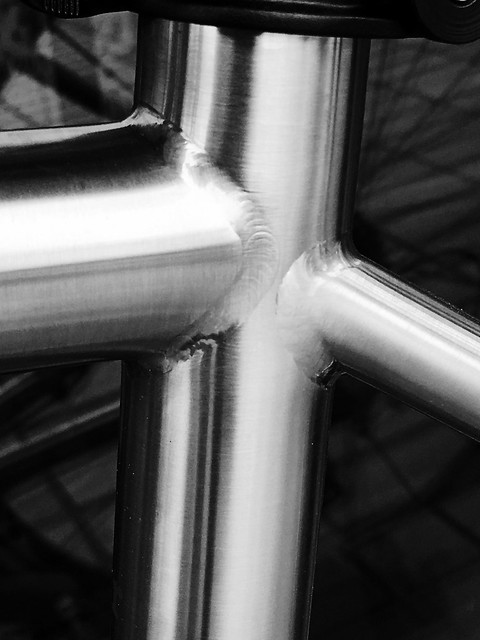
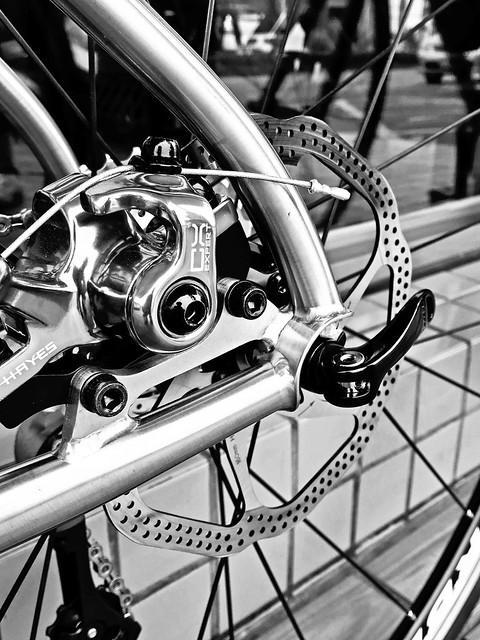
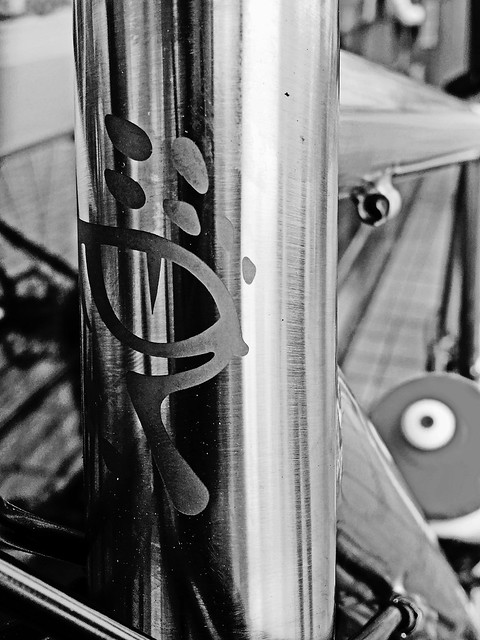
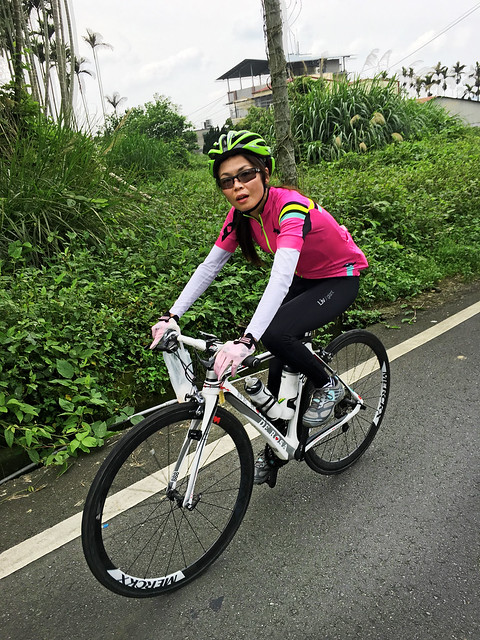
The really cool thing that happened, which really saved this ride, was running into a couple of employees from Rikulau, the titanium and steel bike maker that works in conjunction with ORA to create some locally made custom bicycles. The two women were happy to talk about their bikes and were very knowledgeable regarding their frames and equipment. 

From the look of things, Rikulau has been fine tuning their design and have tamed their graphic schemes somewhat to produce some great looking bikes. 

One bike was stainless steel, the other was titanium. 

Enjoy!

Untitled

Untitled

Untitled

Untitled

Untitled

Untitled

Untitled

Untitled

Untitled

Untitled

The rest of the way home was crap. I felt crap. I rode like crap. It happens. I was happy to return home after only 120km. Some days are like that.

Untitled

Wednesday, April 13, 2016

Death To Discs? : UCI Suspends Disc Brakes from Pro Peloton Following Paris-Roubaix Crash UPDATE

DSCN8651


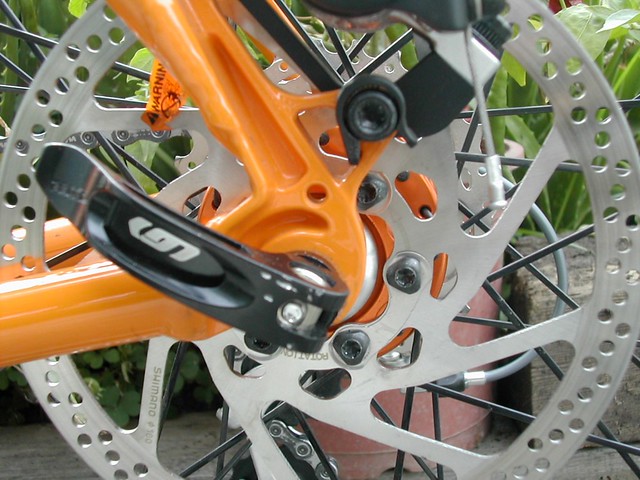
It is now official. Disc brakes on your road bike will again make you look like a Fred--an asphalt amateur without the aura of potentially being mistaken for a pro with pro equipment. 

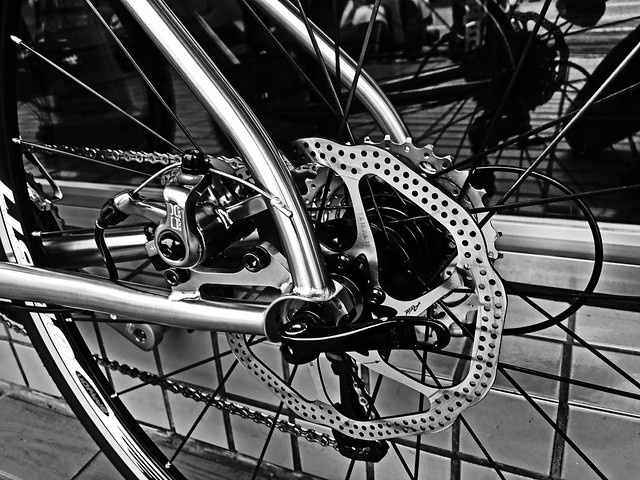
In the wake of the crash during last Sunday's Paris-Roubaix, in which Fran Ventoso from team Movistar suffered a sever tibial laceration in a crash as the alleged result of landing on an exposed disc rotor, the UCI has suspended the use of all disc brakes in future racing pending an investigation. The culprit is said to be a bike from the Italy/Taiwan sponsored Lampre-Merida squad, which brought their Scultura Disc bikes to the cobbles.


It is rare that the hyperbolic premonitions of technological dangers actually come to fruition. I have been a proponent of disc brakes for a very long time, and it is still early in the investigation. 


Disc brakes have been promoted by manufacturers as both an innovation in cycling technology, and as a means to stimulate sales in a sluggish market. Disc brakes can, but not always, offer superior modulation for better stopping power in less than ideal conditions. Moreover, disc brakes can also help drive the sale of carbon wheels, which are notoriously slick in wet, muddy conditions similar to those faced in the Paris-Roubaix


While manufacturers have been bullish on disc brakes, the luddite professional riders have been far more mixed in accepting the use of discs in the pro peloton. 


2012: Cycling News


At German bike brand Canyon, sponsor of professional teams Movistar and Katusha, the brand's team liaison manager, Andreas Walzer had his own, more rider-orientated concerns over RDBs: a longstanding worry over the mixing of disc and rim brake systems in a single peloton. 
"If you start, everybody has to use disc brakes otherwise its very dangerous," he pointed out. "You have two kinds of standard in braking if it's wet and downhill. Imagine what would happen in the downhill in the Tour or Giro?" 
Walzer also voiced concerns about races where RDB-equipped pros mix with young riders and amateurs. 
Currently only Shimano offer a user-ready system, though SRAM is close and Campagnolo should announce details of a system soon. That will partially mitigate concern over all pros having availability – a key concern of Katsanis – but doesn't resolve the thorny issue of the pro/amateur split. 
Carsten Jeppesen, Team Sky's head of technical operations, brought up another potential issue with disc brakes — pile-ups involving hot rotors. 
"The disc gets warm and in crash could you protect the rotor somehow?" Jeppesen said. "You have to look at that because if it's warm and sharp as a knife it's dangerous."
However Jeppesen doesn't believe current reservations about RDBs will hold up the system entirely. "You can't stop moving forward, you can't stop the industry and the fans – that's what they want and it's what we want," Jeppesen concluded.
2014: RKP
I was on a ride recently where I heard a rider saying he’d never ride a road bike with disc brakes because he didn’t want to get sliced up by the rotor in a crash. That’s not the first time I’ve heard that concern. While it’s true that I’ve heard of people cut by rotors, the injuries in the vast majority mountain bike crashes don’t include damage done by a rotor Ginsu-ing its way into flesh. Most crashes simply don’t involve body parts going into the wheels. Consider how often people are injured by chainrings in crashes; they occupy a far more exposed space than rotors do. RKP contributor JP Partland told me he knows a rider—exactly one rider—who lost a finger when it went into the spokes of a spinning wheel during a crash. Let’s call that an exception. Odds are, should you crash in the future, you’re much more likely to lose skin or break a collarbone than suffer a burn or cut due to tangling with a rotor.
2014: VeloNews


Geoff Brown (Garmin-Sharp mechanic): Now we’re already knackered with the front wheels anyways, because of the fork tabs. So it will add a bit more time, whatever, OK, fair enough. But more it’s just what it’ll do to the guys riding the bike, or the guy next to him. I personally have real fears about it. I don’t want to jump out of the car and see a guy with his femoral artery sliced. If there’s 25-30 guys on the floor, there’s not enough medical staff there to deal with the mess. It’s first come, first serve, the guy could bleed out right there.

2015: The Roar
But let’s step back here before we dismiss the idea of disc brakes on the grounds of safety because of the potential of an innocuous looking disc transforming into a ninja throwing star of death. 
A crash in the peloton is rarely a pretty thing when you consider riders only have a millimetre of breathable fabric and a foam esky with a polycarbonate shell on their head for protection. In a crash, there are many different elements that can cause bodily damage, so if we want to get serious about safety perhaps we should eliminate forks, spokes, derailleurs, handle bars, chain rings, other riders, and the road. 
After all that the safety risk posed by brake discs is small beer in comparison.
2015: Cycling Weekly
Against: Philippe Gilbert – pro rider, BMC Racing Team: 
“For me it is a question of safety. I know in cyclo-cross they use disc brakes, but when we crash we can land on 10 bikes. If you crash and land on a disc, which is warm having braked before the crash, it can open you. Then, if you get it in a vein somewhere…
“You will never have every team on discs, but you couldn’t have some with and some without because that would cause crashes. The ones with discs will brake in 10 metres and the ones without 20 metres.”
It will be interesting to see where this investigation leads. Clearly, the brands and manufacturers that have spent fortunes on adapting will be in full damage control mode. This probably means nothing to the amateur cyclist, except a little deflation of the ego if looking "pro" is important,  and will only have an impact if the pro ranks quit using discs at the competitive level for an extended period of time while the amateurs follow the pros (imagine the hit to retailers). Most amateurs don't regularly end up tangling with other cyclists in mass pile-ups. If this decision has an impact on the availability of disc related equipment (which is why I chose not to go disc with my current bike), then there will surely be an impact... maybe it could spur sales as everyone switches back...who knows. 

I rode a set of Shimano mechanical road disc brakes 2007-2011 and I enjoyed them for the varied riding Taiwan has to offer. Now that I am on a well balanced bike, I have never felt going back to rim brakes have ever been a hinderance, even at very...bold...descending speeds. I also don't use composite wheels, so I don't know what I am missing. I can surely see them as valuable on Taiwan's steep, narrow descents.


It will be interesting to see where this leads in the short to medium term as the cycling industry is really looking to invigorate sales in high-end machines. 


Update: 

The legendary Eddy Merckx prophetically commented on discs two days before the Paris-Roubaix.
“They work for [consumers], but in racing I think they’re too dangerous in crashes,” Merckx said. “If you crash, the brake can be hot, and if you take it in a leg, you can slice a tendon. In mountain bikes and cyclocross, it’s OK. But in a peloton, with 200 riders, I think it’s dangerous.”
Here is a rebuttal from Schooler's Cycling Stuff.

Update 2:

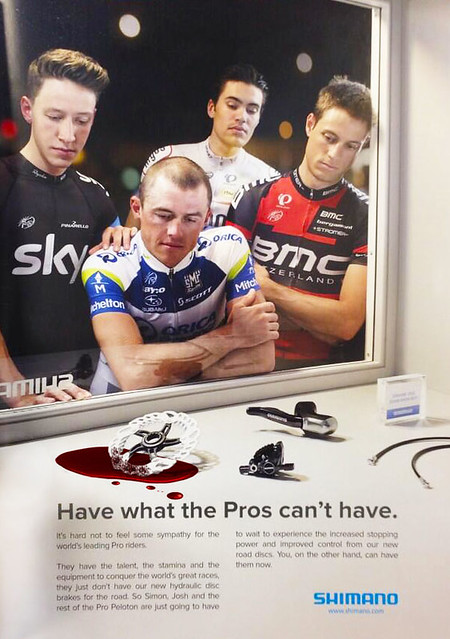
Meanwhile, the manufacturers have adroitly kept their distance from the events of the Paris-Roubaix and the UCI's official response by treating the allegations as a minor political  annoyance in the niche world of professional cycling, far from the realities of cycling enthusiasts. This is probably a very wise course of action from the industry as an anachronous echo of an earlier message:

Untitled

It seems, for the time being, the bicycle industry will continue business as usual with their plans to integrate disc brakes into a wider range of frames, forks and wheelsets. 

But it doesn't matter so much what happened to Fran Ventoso in the midst of Hell last Sunday. What matters more is what people think happened to Fran Ventoso. If both pros and consumers feel that disc brakes are somehow a legitimate danger, wrongly or not, the invisible hand will remove them from road cycling despite how badly the bicycle industry wants to promote them. 

On social media, one friend observed that the UCI had taken such a hard line on disc brakes, but had done little to nothing in regard to the motorcycles that dog the peloton after a crash between a moto and a rider resulted in the rider's death just a few weeks ago.  

The greatest impact may very well be a UCI that is even more resistant to introducing "new" technologies. We may have to endure another round of bottom bracket standards as a solution in search of a problem to sell bicycles. 

Stay tuned....  


Tuesday, April 12, 2016

Missionary Killed On Bike in Taichung

Untitled

Earlier this week and LDS missionary, David Smith Hampton, was killed while riding his bike within the space Taichung City has allocated for bicycle traffic. The 18yo. Utah man who had been in Taichung for approximately four months, was struck and later died of his injuries.

Regardless of what you think of LDS or to missionary project in general, it was another senseless death on the roads of Taiwan's central metropolis-- a metropole that sits at the doorstep of the bicycle industry, yet has no discernible space for safe cycling on the roadways.

The government does not keep statistics on bicycle deaths, so we can only guess how often this is replicated each year. Sad, but a fact of life and death for cyclists in Taichung.

Monday, April 11, 2016

Let Them Ride Bikes! : Toy For The Wealthy Makes Cycling Safer


Untitled

Vox has recently published some very good articles on how bike share programs are faring in the United States and elsewhere with some interesting findings and it provides an opportunity to reflect and consider how Taiwan's bike share systems differ from those elsewhere, and how many of those differences are structural, political and cultural.

This blogger has been, as usual, critical of Taiwan's bike share programs and trails for being either dangerous, ineffective, wasteful, ill-considered or cynically shortsighted for political stature. While they occasionally get things right, there are still few places where the bicycle is treated like traffic. Taipei has even gone out of its way to encourage sidewalk riding in conflict with pedestrians. In Taichung, where I live, within 30km of Giant, the major player in Taiwan's bike share schemes, there is almost no space allotted for the bicycles on roadways. Still, with more bikes on offer, more riders are taking to the streets. Meanwhile, Seattle, a city with a mature cycling culture, is looking at a budget shortfall for its Pronto bikeshare program.

Vox points to the disparity of income and race in the use of American bikeshare programs.
Bike share users skew significantly whiter, wealthier, and more likely to be college-educated than the overall populations of the cities they live in. That's despite the fact that nationwide, the people who bike regularly are actually disproportionately low-income and nonwhite.
It is in this light that some critics feel taxpayer money could be better spent on other needs beyond a perpetually niche toy for the wealthy. As one critic pointed out in the TiC comment section:
But this is reality, and I make do with 150cc "Grand King" motorbike. And the reality is surely that for the majority of people in Taipei and elsewhere, bicycles are toys (and often very expensive ones) rather than a serious means of transportation. And so it is hard to see why should the Taipei city government spend vast sums of taxpayer's money altering public infrastructure for the benefit of a relatively well-off minority who already have alternatives available to them.
The great thing about Taiwan, is that its urban areas are still tightly nucleated clusters with high population densities spreading upward rather than outward. There is still a little bit of the egalitarian sense of space in urban areas where neighbors at different ends of the income scale can live in relatively close quarters without the income apartheid experienced in other countries. Daily needs are still within walking distance or a short distance from home. Of course, the housing bubble compounded by income stagnation is rapidly changing this... and not for the better and younger members of the workforce are pushed further and further from their places of employment. It is far more possible to realistically integrate cycling into the urban environment if there is the political will to do so.

Currently, through my own empirical observations, the majority of You Bike/Ubike users are students skipping the bus and still too young to legally drive scooters. These systems are cheap and efficient. There are stations mounted near libraries and shopping centers and places students use.We know that fossil fuels are limited and polluting, we know in Taiwan we regularly experience weeks on end of unhealthy air pollution from stagnant air held against the high mountains, so what is keeping the rest of the population tied to their cars and scooters? Are bike lanes really just a wasteful bone throw to the wealthy boys and their toys? Does any little bit to help count?

I am inclined to believe not. Remember that automobiles were once the domain of the wealthy and now look at the networks we have provided for them. If you build and enforce lanes for bikes in the cities and integrate them into other forms of transportation, like busses, trains and other forms of mass transit, it removes the obstacles that prevent a potential user from hitting the road. Currently, it is too easy for a user to find excuses for not riding. There is no space, it is inconvenient, the MRT station is too far, there is too much traffic, there are no places to park the bike. If those obstacles are removed, it clears the way for more bicycle use. The other thing it could do, is intentionally allow less space for the automobile, providing an incentive to non-polluting transportation or mass transit and a punitive for personal engine traffic. If the roads are packed and the bike lanes are clear, the bike lanes are bound to fill up. But that would take either environmental disaster or strong political will to implement.

In another article posted by Vox, the conclusion abroad is that bike share is safer than when users commute on their personal equipment.
Bike sharing has seen explosive growth since 2007, with systems in at least 94 citiesand more than 35 million trips taken. There have been some serious injuries, yes. But — knock on wood — we've seen zero US deaths from bike sharing so far1. Contrast this with the overall estimated cycling fatality rate of 21 deaths per 100 million trips.
On Facebook several commenters were scoffing at this figure as applied to Taiwan and Taiwan's notoriously reckless or clueless drivers. Unfortunately, for statistics sake, because the bicycle is not regarded as transportation, the figures on bicycle injury and deaths on Taiwan's roads are not recorded. This may also be a defensive strategy to avoid the political ramifications of constructing bicycle space in urban areas.

Currently, Giant is being asked to build or consult on several more bicycle programs in other countries.

Ralph Jennings has been posting a lot on this issue and reports in Forbes:
In other cities with share programs, company founder King Liu tells Forbes in an interview, “riders have no feeling for their bikes. They’re old or they break down a lot. The air pressure is too low, the chain falls off or the bell doesn’t ring. But bike sharing is a trend in global cities. Traffic in the cities is increasingly bad.”
The Taipei program just breaks even and the company acknowledges it must think hard to perfect rental systems in other cities. It’s got four others in Taiwan at the moment. But whether or not it makes money, operation of a quality bike sharing program excites riders about cycling, says the company’s Chief Executive Officer Tony Lo. As a case in point, sales of Giant’s recreational bikes in Taipei have risen along with the popularity of the Taiwanese capital’s YouBike sharing program since 2012. Giant’s 6 million bikes produced last year for sales were largely for sports and leisure rather than just getting around town.
That brings me back to the trouble with Pronto.

Could it be that with such a wide-spread cycling plan and space for cyclists (3ft), enough people have their own equipment and don't need to borrow?

Sunday, April 10, 2016

Heyman Breaks Through At Roubaix and Feng Fails To Finish


IMG_1657


For anyone who found a feed for yesterday's running of the Paris-Roubaix, they were treated to a classic of a classic. 

This year was billed as a sort of passing of the torch between the older generation of classics heroes with two of the most storied one-day specialists in Tom Boonen and Fabien Cancellara both healthy enough to go toe to toe on the cobbles after several years of one without the other as the foil, and the 26yo. Slovak, Peter Sagan seeking to build on his Flanders victory last week to affirm his ascendance.  This was to be Cancellara's last Paris-Roubaix and the great Yaroslav Popovych's last race. Everything seemed to be conspiring for this to be either the final hurrah for these old warriors or the heading of a new era. 

The thing about the Paris-Roubaix, is that it is never the type of race to lend itself to storybook endings. We had Boonen join an early chase group with Cancellara close behind. We had Sagan without teammates left to cobble together brittle alliances in the hopes of catching Boonen. As the pressure began to build with each section of cobbles beyond the crucible of the Arenberg Trench, tight, slippery, mud-caked corners took the legs out of the peloton, thinning the herd and bringing dreams of a victory at the velodrome in Roubaix down like a house of cards amid the brutal thud of tires over pave. 

Of the heavy favorites, Cancellara was the first to drop in a fall on the Monsen-Pevele sector-- the same sector the big Swiss had seen in a pre race premonition as the key to his race. Sadly, he was unable to recover and contend for the victory. He almost took out Sagan in the process, leaving Sagan to demonstrate his superior, but futile bike handling skills as the break out bunch led by the powerful Tony Martin, drove ahead to reel in a five-man break. When Boonen's group took to the front it looked like the battered Belgian 4x Paris Roubaix champion might finally, at age 35, surpass the famed Roger DeVlaemink, for a record fifth victory. It was so on.

As all eyes looked on, Boonen could not muster enough energy in the velodrome to beat out Mathew Haymen, the 37yo. Mathew Haymen from Orica-GreenEDGE. Meanwhile, Fabien Cancellara crashed on his farewell lap around the velodrome in a final gesture of appreciation to the fans. He may be reconsidering his retirement plans to redo that unceremonious farewell...or simply take it as a hint. 

So in the end... the Paris-Roubaix was won by one of the old men of the peloton... just not one of the old men everyone was guessing.

On the Taiwan angle of the Paris-Roubaix, our very own Feng Chun-kai of Lampre-Merida, was thrown into the fray once more by a team desperate to have a representative from the sponsor's home country. Feng, at 1.70m and 68kg, seems ill suited for these one-day races that are dominated by the big men who are often 10cm taller and 15kg heavier than Feng. Moreover, the terrain would be unfamiliar for a Taiwanese cyclist from a land of exquisite climbs, but few great stretches (any?) of unobstructed roadway with less than ideal pavement. Feng collected another DNF after getting caught in the rear group that failed to gain on the lead groups. Lamer-Merida collected their equipment and marched off for other events up the road where they have the personnel to better contend for prizes. Next for Feng will be next week at the Giro dell'Appennino.


Friday, April 8, 2016

A Match Made In Heaven...or Taichung: Taichung Bike Week and Eurobike Sitting in a Tree


Untitled

Last month the increasingly obsolete Taipei Cycle groaned to a close-- a dinosaur of a show in an industry that has created more bottom bracket standards in the past ten years than I have changed flats. 

Taipei Cycle has been increasingly directed toward the retailers and the emerging markets with many of the major players sleepwalking into town for an expensed drink...if they even bother coming at all. 

The real action in the bicycle industry heats up during Taichung Bike Week in October, when industry managers converge on Taichung to finalize the specifications on the products and their prices that will be coming out the following year or two. As opposed to Taipei Cycle, Taichung Bike Week is entirely about looking into the future. 

With the current state of the bicycle industry when even the Giant mega-empire has lost a quarter of its value over the past year, getting a jump on manufacturing has become essential as it can allow brands to implement new technologies they hope will invigorate stagnating sales, or to nail down the production details (prices) for an extended model run for more than a single season. Production errors and unforeseen market problems in the past have led to far too much overhead failing to sell in the premium market with brands hoping to break even elsewhere in smaller markets past the model's expiration date. 

Taichung's central location plays an essential role in allowing 90% of the top OEMs to be within 40min. of the city. Representatives from the OEMs and brands can hustle off to iron out the details immediately following a presentation. 

One of the advantages of Taichung Bike Week is that it is a closed convention by invitation only, organized by industry volunteers for the industry without having to play ball with the local government or the Taiwan External Trade Development Council (TAITRA). It also caters to Taiwanese OEMs and their supply chain, keeping the center fixed in Taiwan for the time being. 

This year Pro-Lite CEO, Steve Fenton, who also serves as the chief organizer of Taichung Bike Week, has reached out to Stefan Reisigner, a board member of Eurobike, to help with the organization and logistics of the event aimed at putting more brands in contact with their OEM counterparts more efficiently. Taichung Bike Week, which has often struggled with Taichung's limited exhibition space, has also procured space at the Lin Garden Hotel as a 4th location to host presentations and visitors.

The seventh edition of  Taichung Bike Week will be Oct. 18-21 this year. Eurobike is working with TBW to provide attendees with a new "matchmaking tool."  The matchmaking tool will enable exhibitors and visitors to show off what they have to offer and what they are interested in before the event starts. Using their accounts, they will be able to make appointments and receive contact suggestions customized to fit their profile.

According to Fenton: 
It is all important that we use the 4th location to bring in even more brands that need bigger space to present their ideas and products and the 4th hotel will do this. The hotel is Called The Lin [Garden]and is about the same distance from Evergreen Hotel that Splendor is but in the opposite direction. It’s easy for us to arrange a shuttle bus every 30 minutes and as you know it’s never hard to get a taxi in Taiwan as they are everywhere. The location offers a huge amount of space for brands who need either large presentation rooms down to a small booth of say 3 x 3 mts. Best of all its got a huge space for the TBW party which we have struggled with over the last 2 years due to no space left in the three venues we use now. We decided to go ahead with a 4th venue after asking many exhibitors about whether they feel we should talk to the City Government about using the exhibition centre they are building and the answer was a very clear no. As you know the event is run by the industry for the industry and we are a team of volunteers who do not get paid or take anything out of the event for free.
With the dual pressures of a dim forecast for the entire bicycle industry through 2018, and the rise of the direct sales model for branding online (the Canyon model), what happens in Taichung and how it happens only increases the importance Taichung Bike Week plays as the linchpin of the entire industry and possibly the most important week of the cycling calendar.  

-----------------------------------------

Also:

Don't miss the this Sunday's 2016 running of the Paris-Roubaix and Taiwan's Feng Chun-kai as he supports Lampre-Merida. Feng scored as DNF last year and also failed to finish last weekend's iconic Tour of Flanders.

The China Posts reports on an up and coming cyclist. 
               

Wednesday, April 6, 2016

Disappearing Into The Nantou 56: Nobody Can Hear You Scream

Untitled

This is a story about a road. In cycling culture there are roads-- the ones we all know and enjoy-- the ones that lace across common stretches of countryside and draw the fabric of our community tighter together with shared experiences of triumph, failure, surprise and heartache. In central Taiwan these roads come with the shorthand monikers of Guguan, Wuling, Bagua Shan and the 136. We all know these names and rides along with a slew of others that carry some of the most absurd titles the lust for Strava glory can inspire. There are roads-- and then there are fucking roads. These are the chunky scrapes of mountain slopes slathered in a veneer of budget asphalt that arc, coil and slither through the psyche-- the roads that stamp your passport across the border of the local. These are the roads that, for good reason, hang like phantoms high up on ridge lines where the periphery begins and toys with the imagination.

The 投101 through the 投56 is one of these routes that practically defines local knowledge when it comes to cycling routes.


Untitled

I rode this route for the first time last year and wrote about it in Nantou 56: The Lost Highway of Central Taiwan. Since that ride this road has been a regular visitor to my imagination as I reflect on what makes it such a defining gem among the tangle of roadway engineering projects that meander across local maps and terrain.

This time I was eager to show this route to Michael Turton from The View from Taiwan. Michael is a good friend, experienced local cyclist and an intelligent critical blogger who has seen a lot of roadway from a bike in Taiwan, but he had never seen anything like this. Showing a special route to someone can be a bit like a Masonic handshake-- imparting of the secret knowledge.

We were also joined by the slight, yet salty Eva L. Eva is a relative novice rider, but has close ties to the cycling industry.    

Untitled


For us, this route started in Taichung and took the unremarkable Highway 3 to the Highway 16 in Mingjian. As we passed through the urban nightmare between Taichung and Nantou City, the air pollution was unbearable. I donned a mask several times to keep from directly inhaling the atmosphere of Venus. 

We soon turned onto the placid 投131 toward Lugu. The 投131is a great alternative to the busy 投151, which skips the foreplay and charges directly into the weekend tourist Hell of Sitou. 

Untitled

Not too far up the 投131 is the turn-off to the 投101. It is such a nondescript roadway it could easily be missed. 

Untitled
The 投101is something of a growing rarity as it hosts a living local culture rather than a packaged vision of a consumable local culture that appeals and panders to the exotic expectations of a tourist junket. It is a meditation in cycling as the road follows the mostly gentle contours of the river valley.  

Untitled
The asphalt is in excellent condition and the climbs are neatly contained between plateaus that seem to appear just when they'd be convenient. The lower reaches of the 投101act to lull the rider into euphoric complacency, clobbering over each rise amid a panoramic landscape of earthy greens and golds. Although the surroundings are unquestionably rural, there is still a sense of safety of the occasional car or the mechanical sound of a distant irrigation pump.   

Untitled

Untitled Untitled
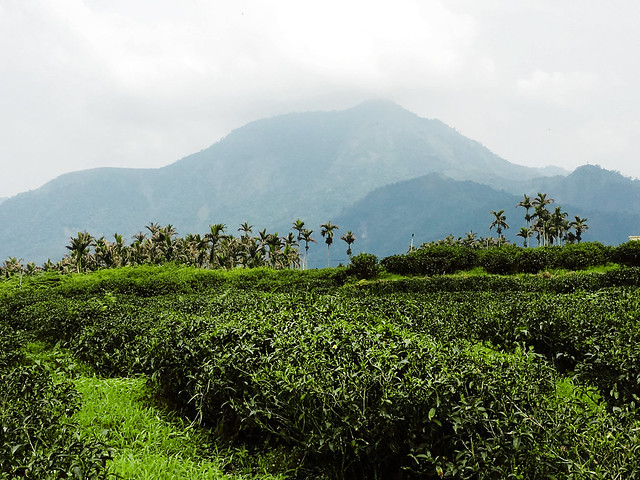
Under the flickering shade from leafy overhanging trees, it is easy to forget about the gradual rise in elevation as the road stair-steps into the tea fields of Lugu. A few windows occasionally open up onto the hills below and out into Zhushan. 

Untitled Untitled
The 投101spills out onto the 投56 and effective ends the Sunday drive for the day as the sights and sounds are entirely the calls for the tourist dollar. There are hostels, restaurants, walking trails, campgrounds, tea emporiums and souvenirs. We stopped for a quick lunch before continuing on out way into the 投56 or into the Heart of Darkness

Untitled

The opening section of the 投56 is a long, straight, smooth, subtle grade that passes the tourist Disneyland for tea drinkers. The hills peek out over the shops and fields. The entire atmosphere is remarkably tame for a Taiwanese local road.  

Untitled Untitled Untitled Untitled Untitled Untitled Untitled
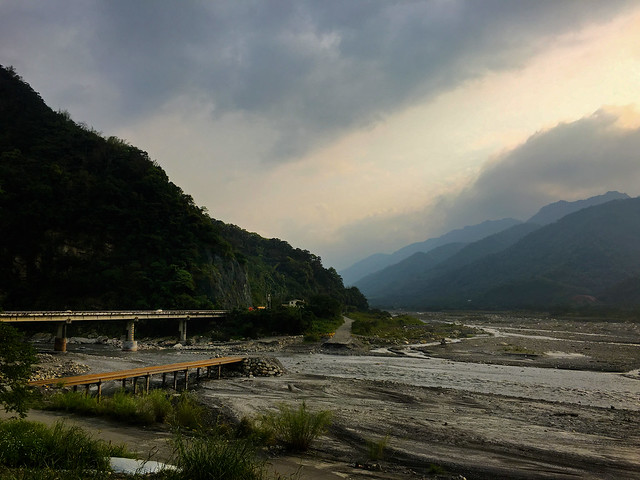
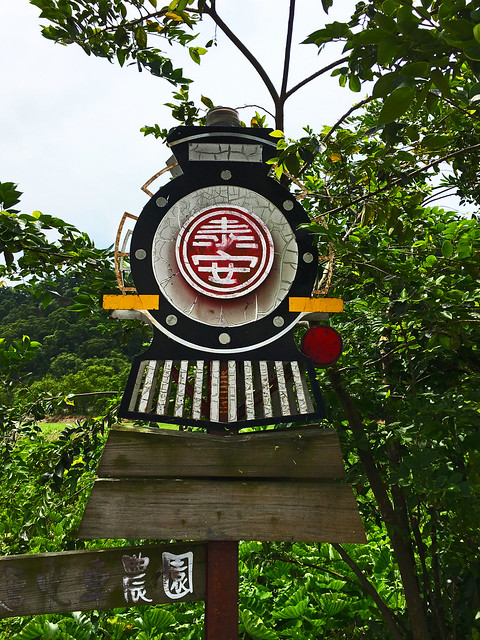
Then, just as it seemed the road had ended at the Phoenix Valley Bird Sanctuary (鳳凰谷鳥園生態園區) parking lot, the ride took on an entirely different character. 

As you approach the gate to the bird park, there seems to be no way through as they have set up an official looking sign and false ticketing counter. If you make your way past and keep right, the road drops into a narrow, crumbling gorge surrounded by nothing but wild.  

Untitled Untitled Untitled
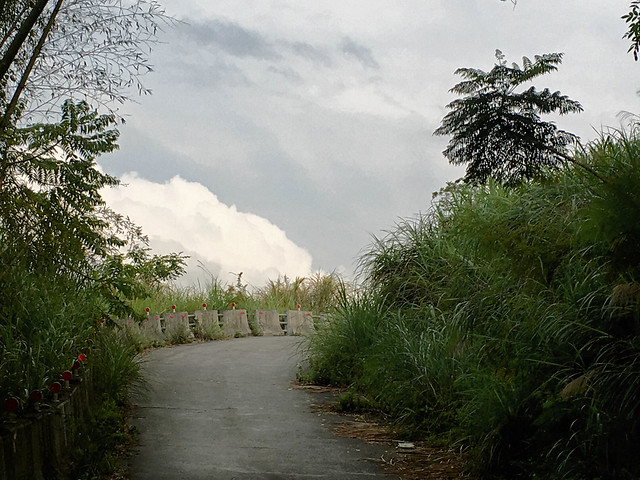
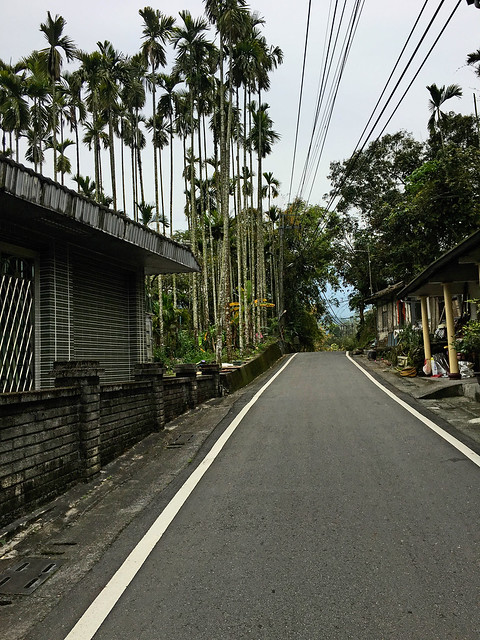
Crossing the threshold beyond the bird sanctuary is like dropping into the Land of the Lost. The road becomes an almost random collection of bends and humps amid overgrown embankments and decaying infrastructure. 

This entire section of roadway assumes the haunted air of the abandoned, like the ghostly images of failed humanity in Chernobyl or Fukushima--a derelict archaeological layer of a recent and much different past that was deserted at a moment's notice. It instills an innate sense of anxious unease juxtaposed to the tranquility of humanless noise. There is an urgency in this loneliness and it weighs heavily on the mind. Can I safely get out of here?

Untitled

Untitled Untitled Untitled
The 投56 is only 20km in length, with much of it taken up by flats or a lengthy final descent, but it launches upward for almost 250m in about 2km of thigh snapping climbs.    

Untitled
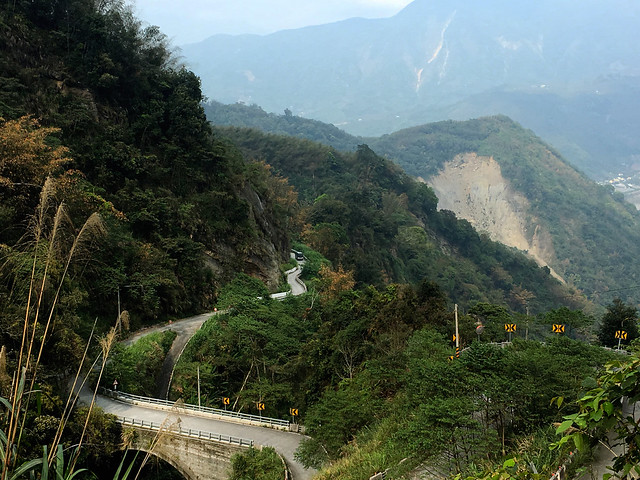
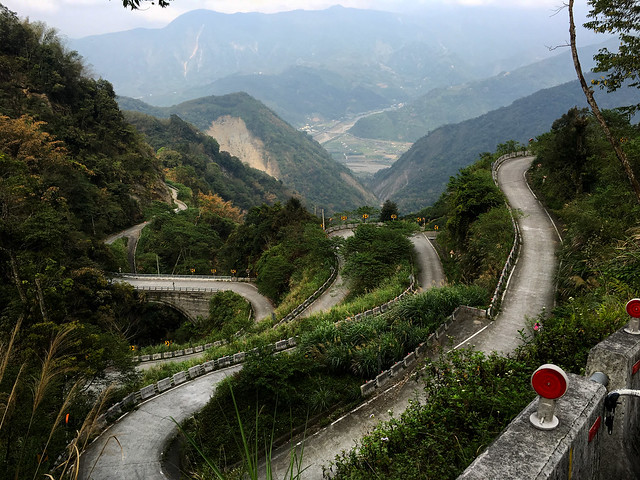
In this section the tiny mountainside lane keeps a tenuous grip to the section of mountain that was not cleaved from its perch by a massive earthquake and landslide. 

Untitled
Each bend is a revelation of sights, wonder and sobering fear. 

Untitled

Untitled Untitled

The road is unrelenting in a sickly comical freehand scribble of lines flopped upon each delicate grassy terrace. Michael and Eva took it easy for a little hike below with the valley of the Xinyi district reflecting back upon the mountain. 

Untitled Untitled
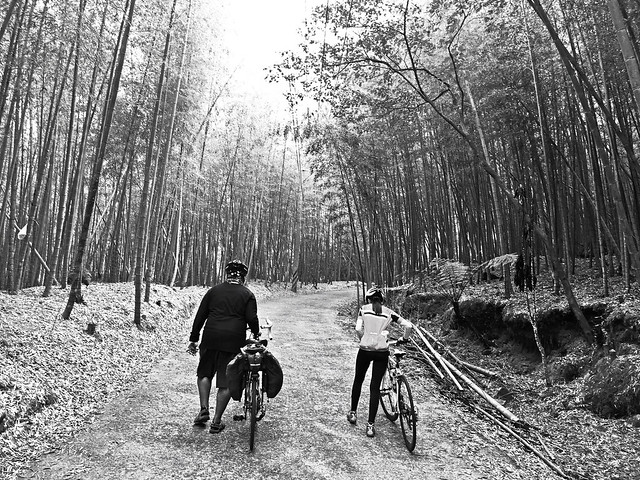
The heavy shade of forest evaporated and we all simply marched our bikes through a silent bamboo grove with the only conversation being between the pops and cracks beneath skinny bicycle wheels. 

Untitled Untitled

The crest of the road could not have come any sooner and we were soon negotiating the claws of neglected and damaged pavement that can rip any rider off a bike in the blink of an eye. 

Untitled Untitled Untitled

The road drew us faster and faster through the fulcrum of each bend...slingshotting each rider toward the river in Ai-guo Village.

Untitled Untitled
The final act of this ride was the Highway 21. Everyone was tired and spent from the slipshod grades of the high mountain road. The two or three rises in the Highway 21 were simple torture when we simply wanted to arrive in Shuili at the train station. Of course, the upside was that the Highway 21 toward Shuili is also running downhill and it was easy to build momentum and cling to a good draft on the way out. 


Untitled Untitled

Just as the sun started to hollow out long, deep shadows against the hills, we rolled into Shuili for a train to Taichung after a quick transfer in Ershui. 

We were tired and spent, but we had all spent a day together riding one of those special roads that most people are never ever going to see in person. It was a phenomenal experience for all and really shows what can be done on the bike. For cyclists, roads like these are the C-Beams in the dark near the Tannhauser Gate. Riding these roads stays in the memory for a very long time as something wondrous and truly special. 

Untitled


Dont Miss: Michael's take on the ride. 


Route 3473635 - powered by www.bikemap.net