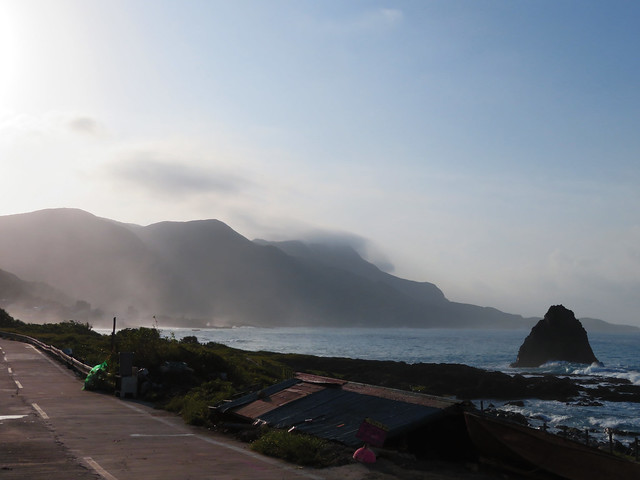
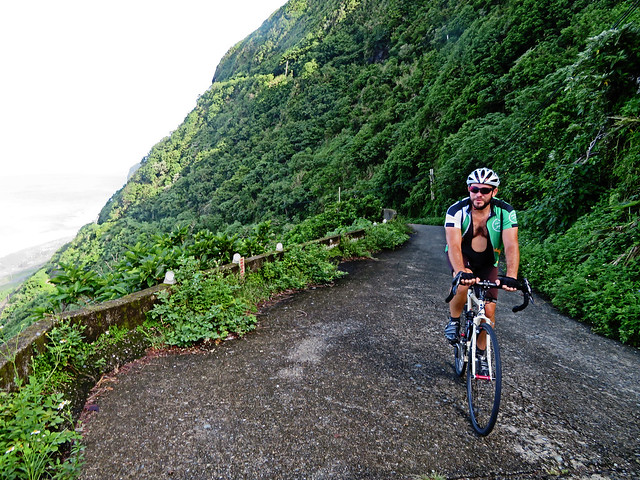
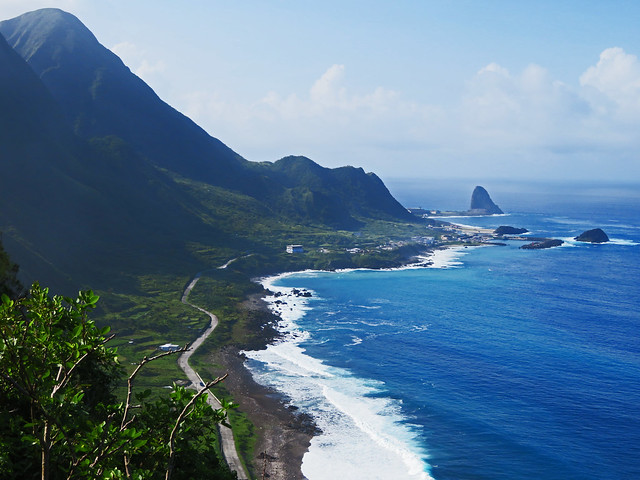
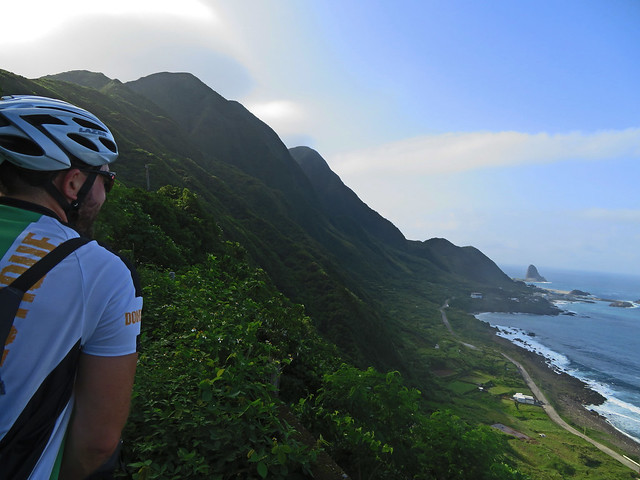
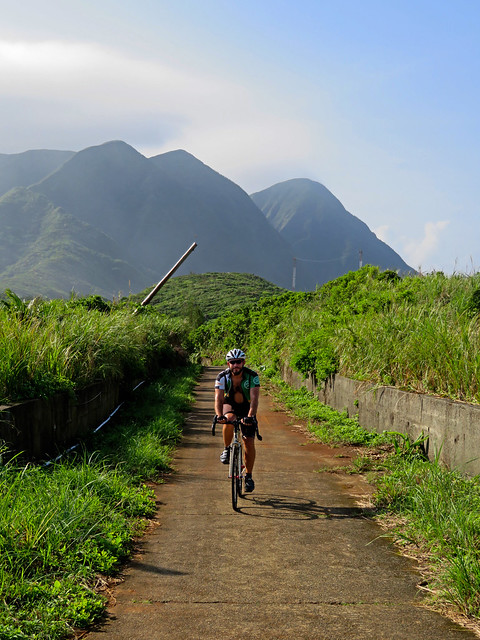
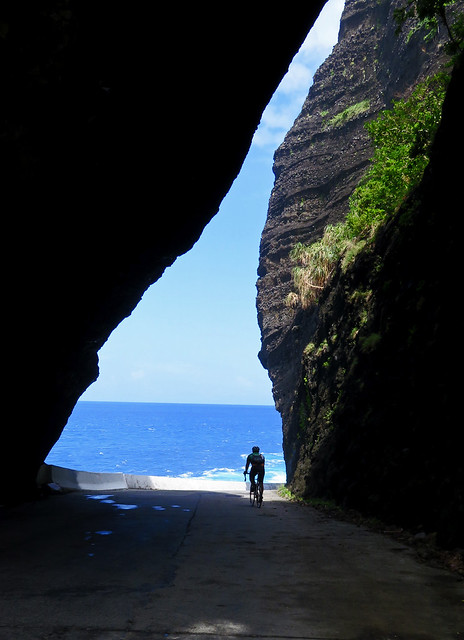
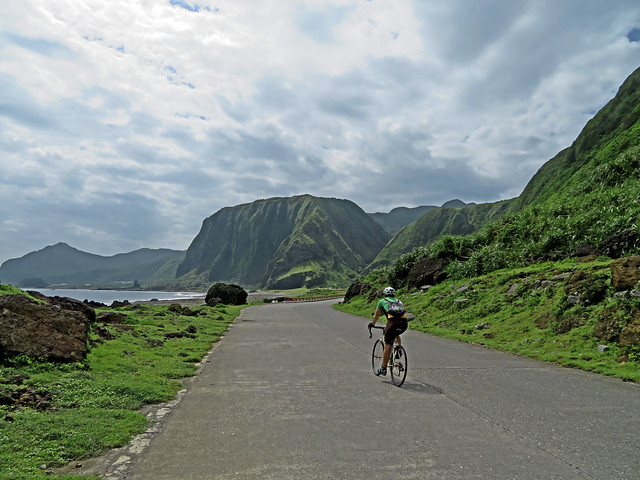
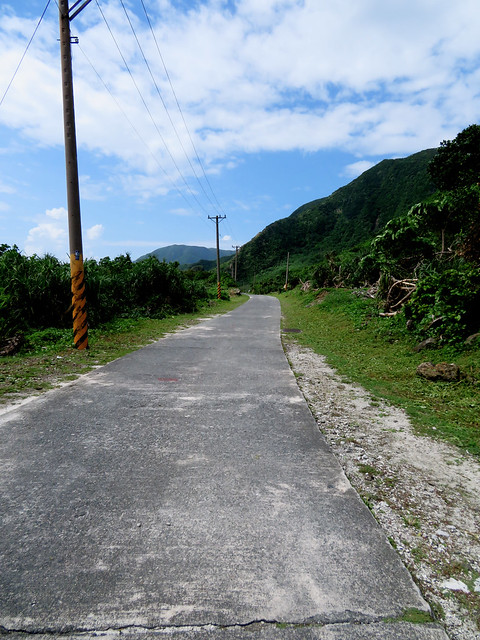
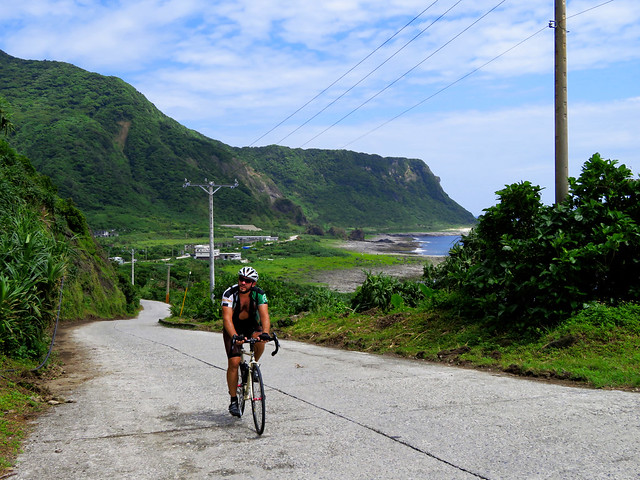
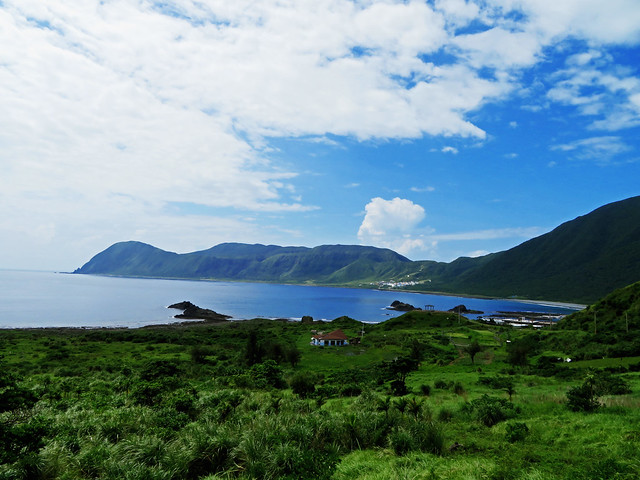
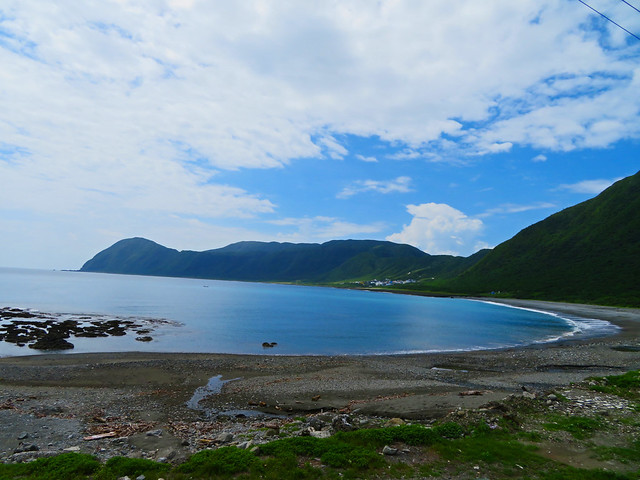
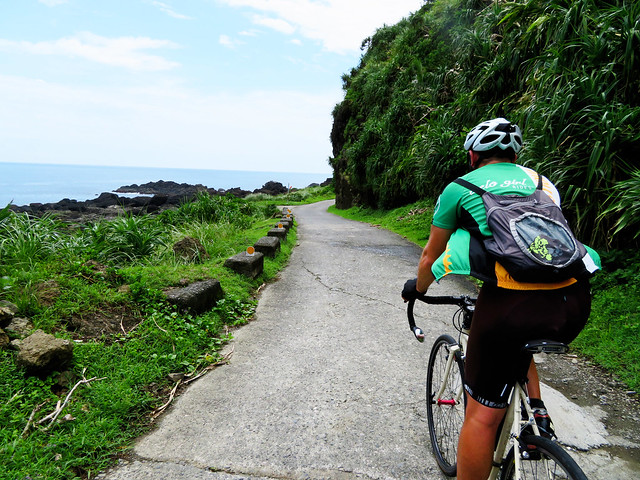
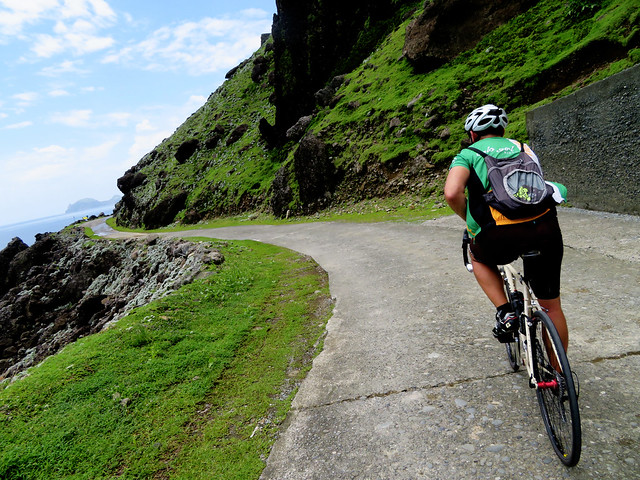
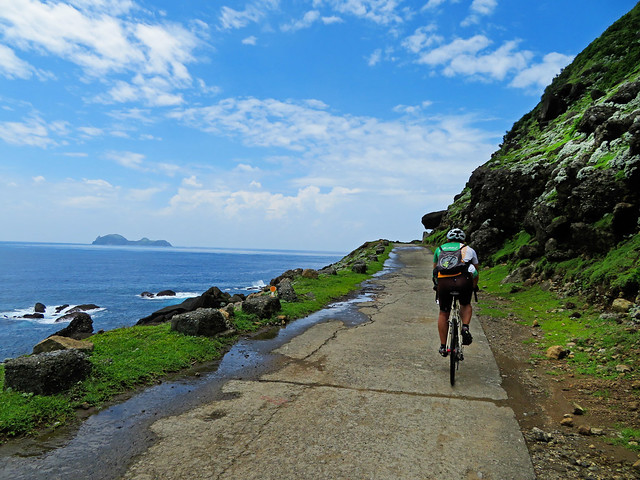
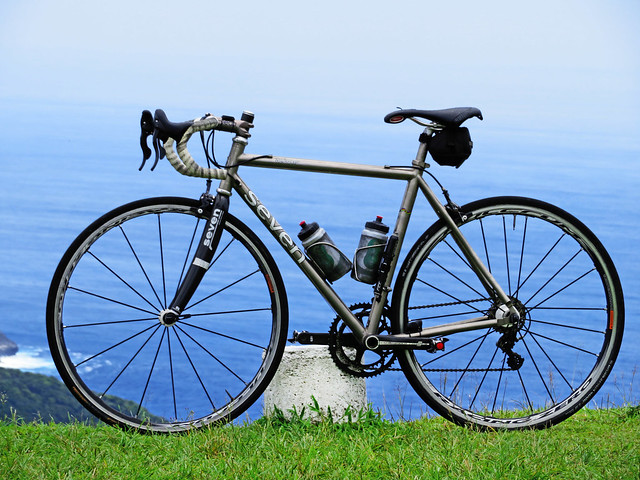
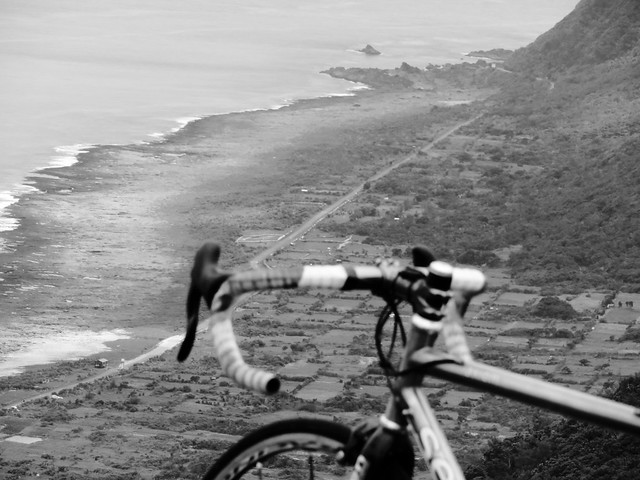
This is why I include this in all my round-island routes:



ST: And yet, voters delivered a stunning indictment of you, your policies and the KMT (Kuomintang) on Jan 16. What do you think led to such a state of affairs? I know you blame it on communications failure, you’ve said: “Actually there are many good policies that the public don’t understand because we haven’t communicated them enough.” Is that all there is? Do you feel you’ve been misunderstood?... or (link)
"Ma's policies have painted him as for the one percent and China, at a time when society at large is fed up with both," said Jonathan Sullivan, associate professor at the University of Nottingham's School of Contemporary Chinese Studies in Britain.
"Adding to these policy outcomes is Ma's personal reputation for aloofness, indecisiveness -- but paradoxically with an authoritarian streak -- incompetence and inability to balance the interests of his party, Taiwan and his own personal objectives," added Sullivan.
Even staunch KMT supporters have turned their backs, with the party in tatters having lost its majority in parliament for the first time under Ma.
"We had high hopes, but we saw our faith in him fading away," said Sun Chieh-yi, 59, a retired watch shop owner who comes from a traditionally pro-KMT family.The China Post reports:
"People do not feel their lives are any better than before."
The survey also found that about 70 percent of the respondents said they are satisfied with the results of the completion of the Hualien Taitung electric rail system, the Wugu-Yangmei Overpass on a section of National Freeway No. 1 in Northern Taiwan, and the addition of three stops on the High Speed Rail system.
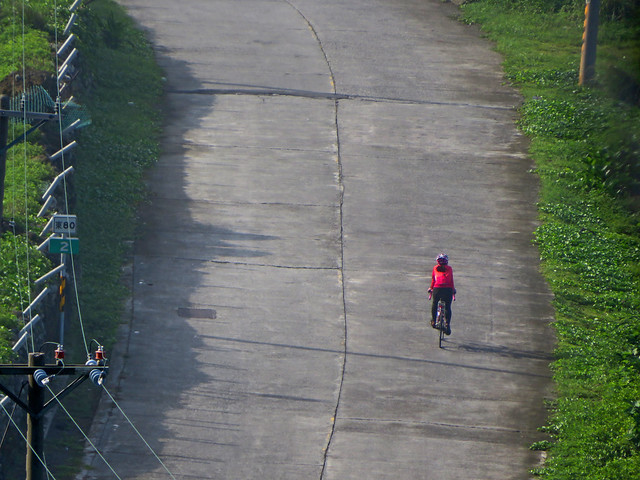
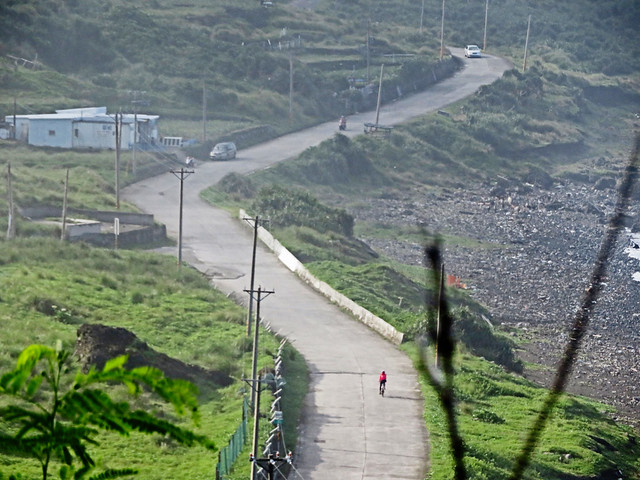
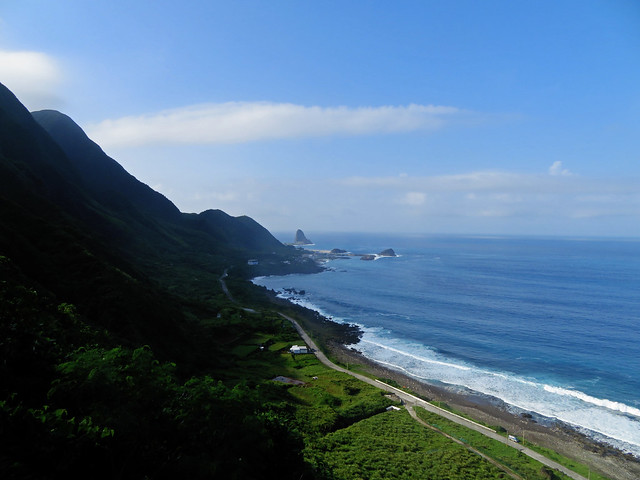
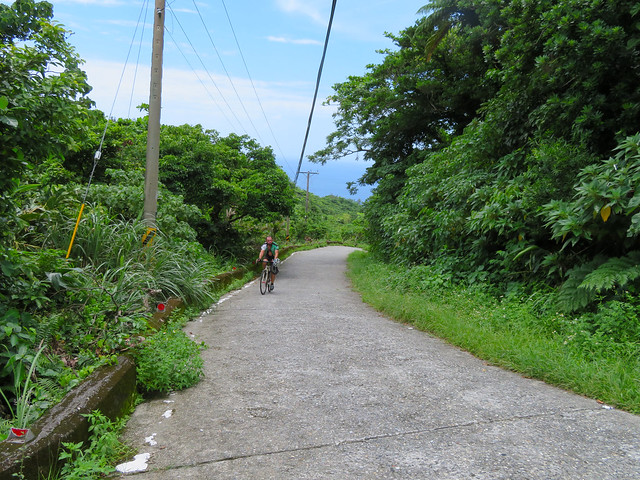
Policies that received wide support include the expansion of bicycle paths around the country, and the distribution of subsidies for childcare and free tuition for children under the age of 5, at 69.8 percent and 65.2 percent, respectively, the results show.Let me remind the reader of what this bicycle policy is, in case you missed it. The central government, with a budget of NT1.2 billion (USD 36.4 million dollars), posted a series of brown sign posts along Taiwan's more heavily trafficked highways and maybe installed a few shower areas (not sure exactly where). This is a system that serves leisure tourism interests to better enable periodic long distance cycling trips between major cities. Unfortunately, these paths hardly do justice to Taiwan's beautiful cycling roads, and serve to be more about keeping cyclists close to businesses and transportation. Much of the main route covers the gritty Highway 1, with little more done than sign to tell riders that they are on the Route No. 1. Few, if any, real changes have been made to the route to make it less of a slog through an eyesore. Moreover, the designated cycling routes do nothing to address pollution or traffic congestion.
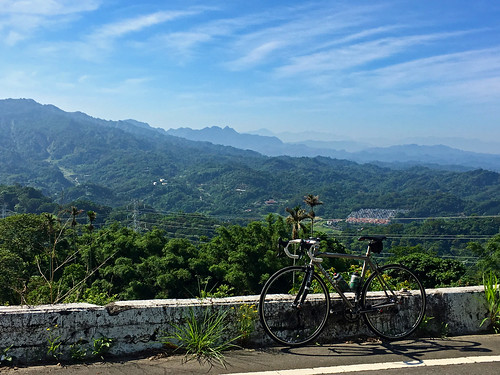
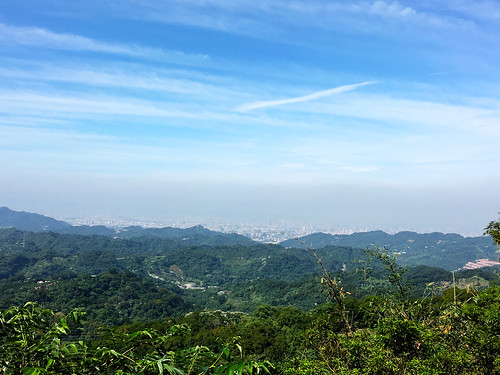
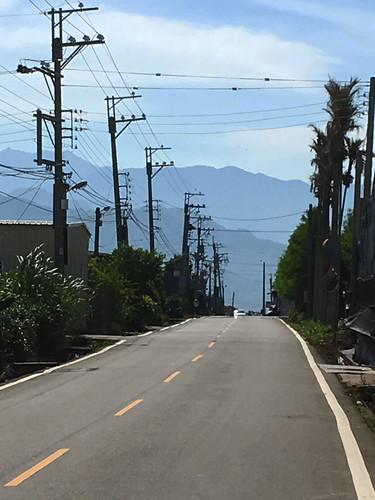
As goes Taipei, so goes Taichung, with other cities around Taiwan following suit. And as go the big cities, so go the smaller towns around Taiwan, thousands of them connected by bicycle-friendly roads, and in many cases dedicated cycling paths.Readers can assess this one.
